Large format photography using glass plates has a rich history dating back to the mid-19th century. Abel Niépce de Saint-Victor produced the first successful glass plate photograph in 1848, employing a plate coated with albumen derived from egg whites and treated with light-sensitive chemicals. Despite its early success, the popularity of glass plates waned in the 20th century with the rise of photographic films.
However, contemporary photographers are rediscovering the artistic potential of glass plates. Jason Lane, inspired by his own experiments with glass dry plates for 4×5 cameras, launched his own line of J. Lane glass plates in 2017. These plates, coated with photosensitive chemicals, aimed to revive interest in dry plate photography as an artistic medium. Though currently unavailable due to personal circumstances, Jason remains committed to reintroducing his plates to the market.
Similarly, Nejc Urankar ventured into the realm of dry plates, crafting his own coated with silver gelatin emulsion. Establishing Zebra Dry Plates in 2020, Nejc expanded his offerings to include larger dry plates, untreated wet plates, and accessories for alternative photographic processes. Zebra also provides workshops to guide photographers, both novice and experienced, on their journey into alternative photography.
Several years ago, I acquired a set of J. Lane glass plates. My friend Maurice, generously provided me with 4×5 glass plate holders for my Pacemaker Crown Graphic. Despite my initial intentions, I never managed to shoot these plates with my Graflex camera. However, I recently decided to put them to use in my Tachihara 4×5 field camera.
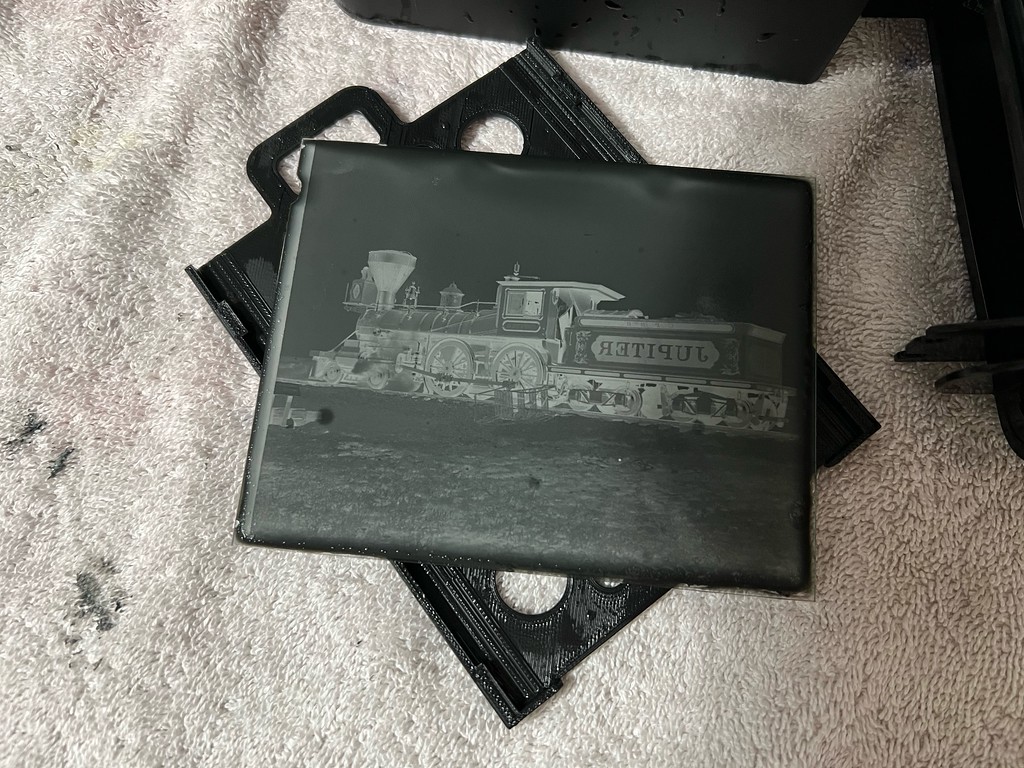
Upon developing the first two J. Lane dry plates, I was immediately captivated by the results. The images produced were nothing short of remarkable, showcasing the unique characteristics of the glass plate medium. However, my excitement was somewhat dampened when, during the removal of the second plate from the SP-445 processing system, I inadvertently smudged the delicate emulsion with my thumb.
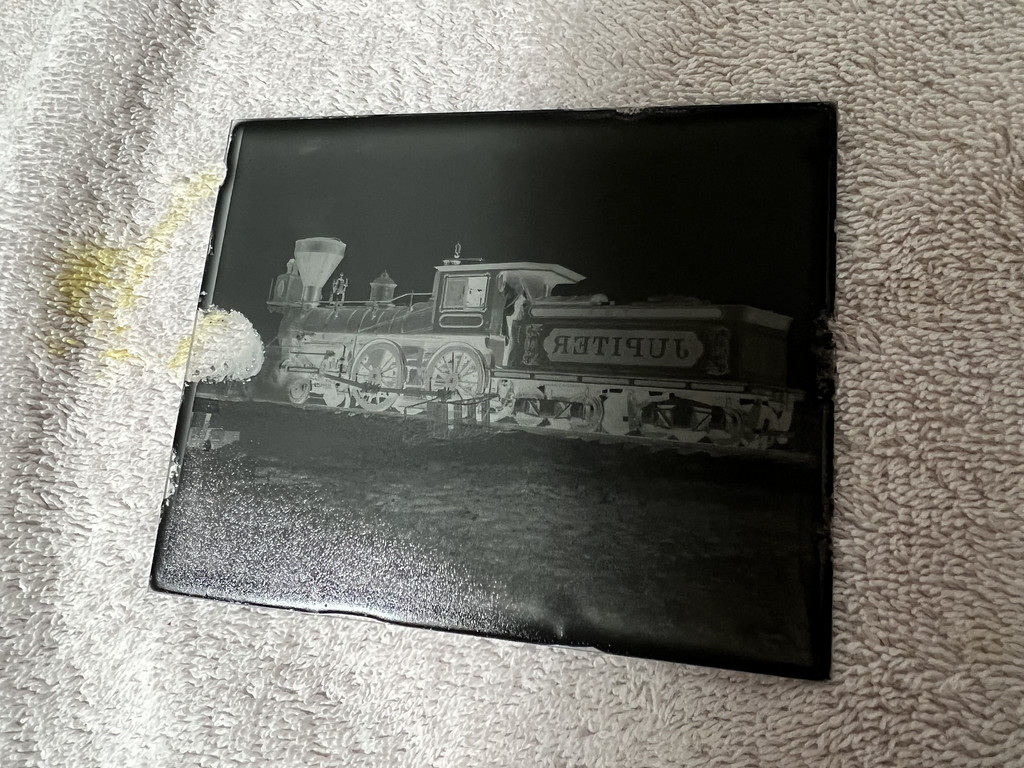
Fascinated by glass dry plates, I decided to expand my horizons and purchased some Zebra dry plates to experiment with. At first, lacking the appropriate Zebra dry plate holders for my SP-445 processing system, I improvised by placing them in the tank with the non-emulsion sides facing each other. Surprisingly, the results were quite pleasing, showcasing the potential of these plates even with makeshift handling. I eventually invested in 3D-printed Zebra dry plate holders specifically designed for the SP-445. Notably, I observed a subtle difference in thickness between the Zebra dry plates and the J. Lane ones, with the former being just slightly thicker.
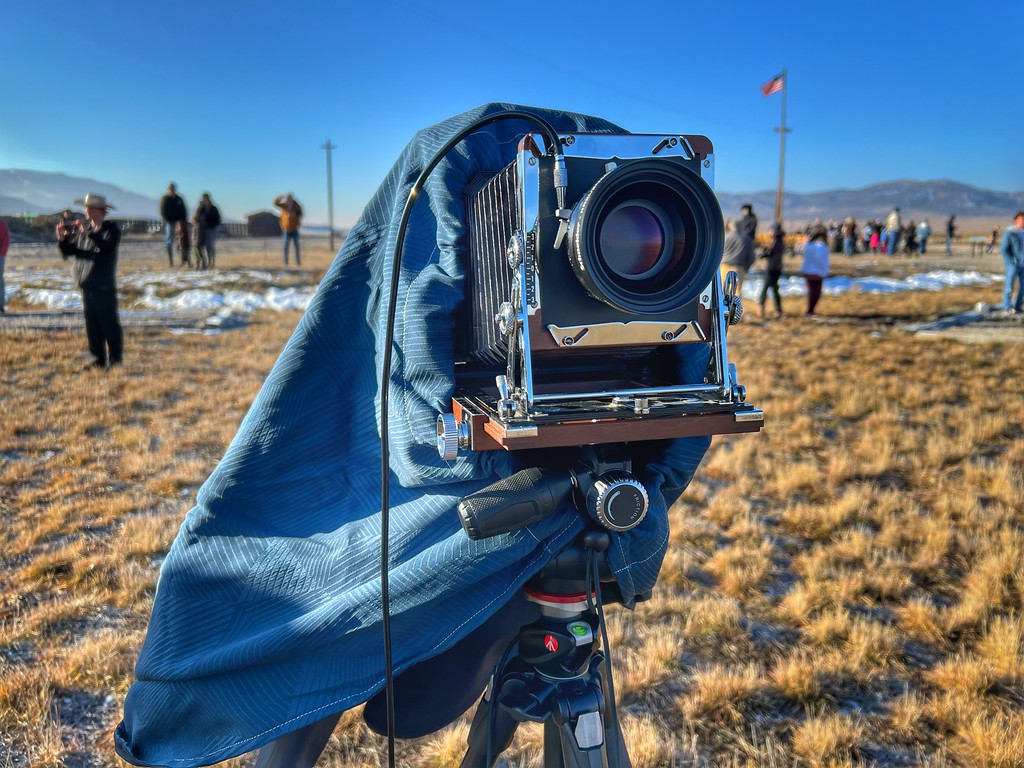
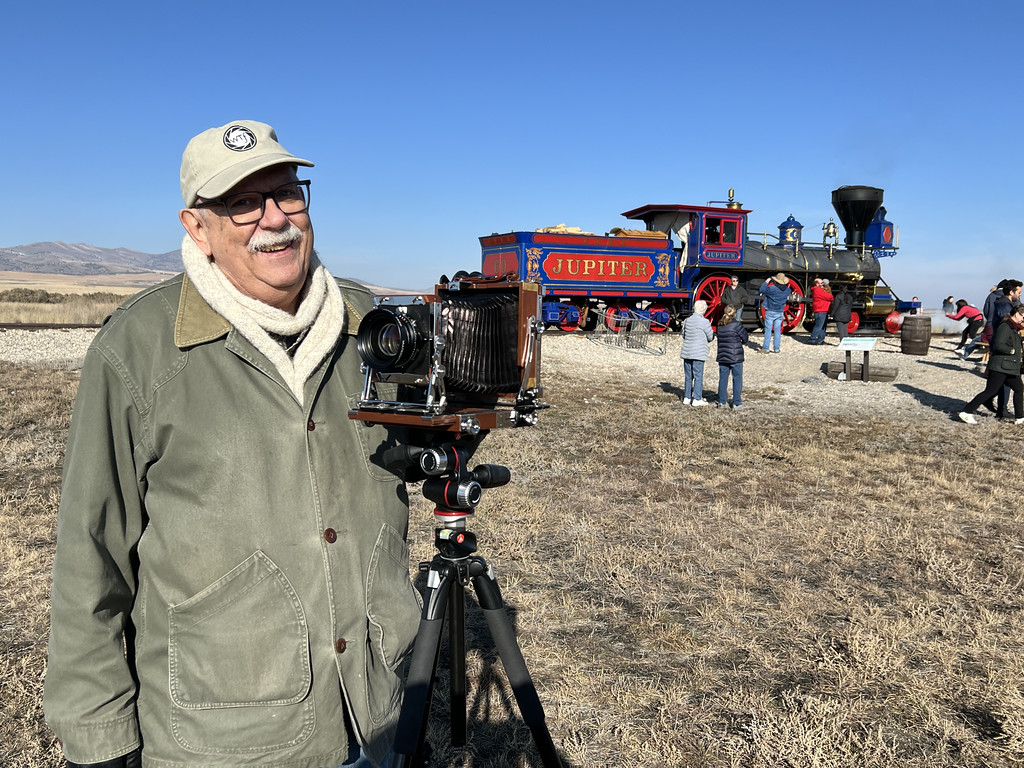
Maurice and the Tachihara 4×5 Field Camera
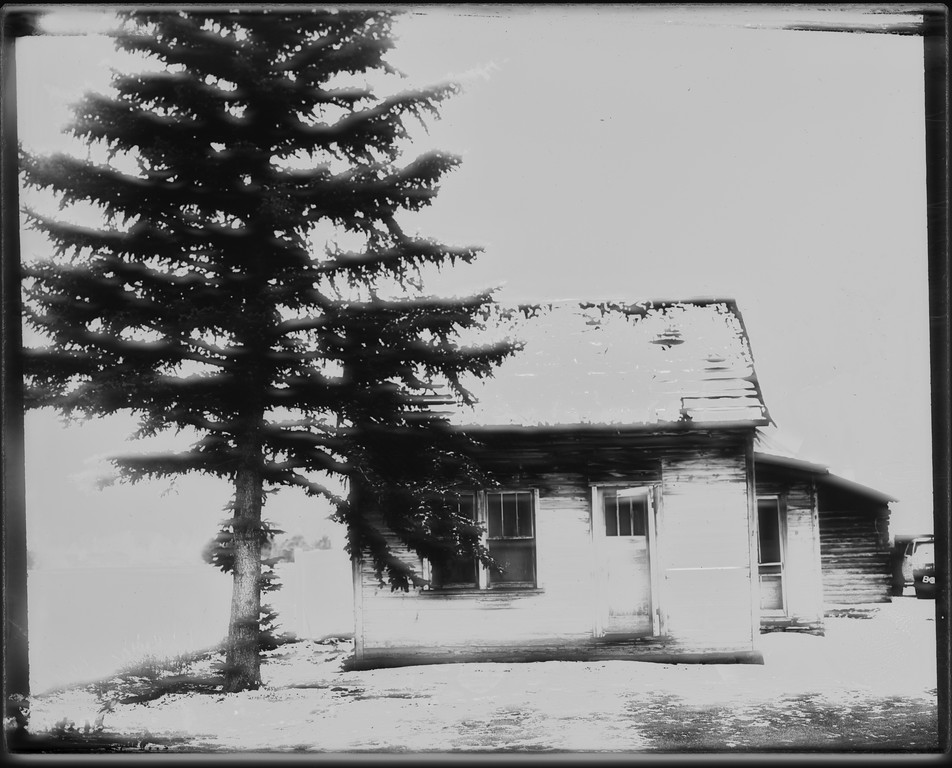
Camera: Tachihara 4×5 Field Camera (1979)
Glass: J. Lane Dry Plate ISO 2
Process: Kodak HC-110 (1+31) 5 Min @ 20°C
Scanned: Epson V700 Photo
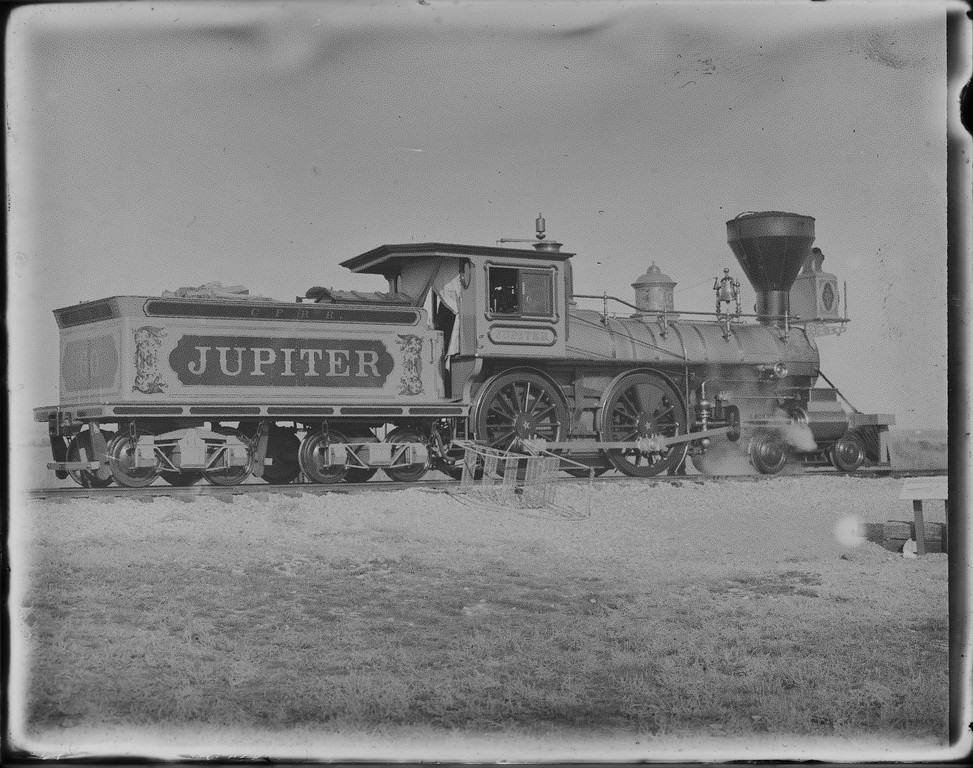
Camera: Tachihara 4×5 Field Camera (1979)
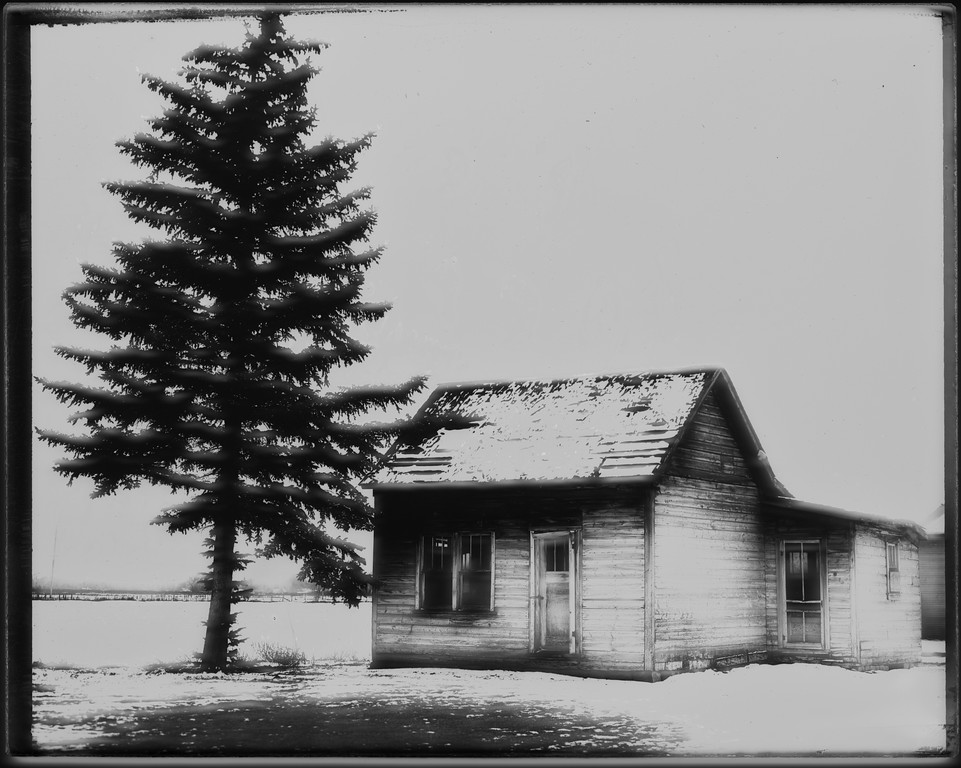
Glass: Zebra Dry Plates ISO 2
Process: Process: Kodak HC-110 (1+31) 5:00 Min @ 20°C
Scanned: Epson V700 Photo

 Utah Film Photography
Nice work! I too shoot large format (4×5 & 5×7, my 8×10 camera needs works at the moment) and have enjoyed the entire process for over 58 years.
Best regards,
Randall Shreve ras5563@aol.com
LikeLike