A few years ago, I rented a Hasselblad 501CM from AcmeCameraRental.com in Salt Lake City, again confirming my love for medium format film and 6×6 square images. Despite admiring Hasselblad’s on eBay, their high prices kept me from purchasing one. Fortunately, I found a great deal—a Hasselblad 500C with a Zeiss Planar 80mm f/2.8 lens and two backs for less than a thousand dollars.
My excitement turned to disappointment when the camera jammed after a few days of use. Despite troubleshooting, it needed servicing, leading to a return and refund from the seller. During the initial transit of the camera to me, I bought a Hasselblad metered prism viewfinder.
With a viewfinder but no camera, I scoured local online classifieds and found a Hasselblad 500 EL/M for sale. Despite the motordrive, it was essentially the same camera, complete with an 80mm f/2.8 Zeiss Planar lens. Meeting the seller revealed that the camera had undergone a CLA a few years prior, and a battery converter had already been installed in the motordrive. I promptly purchased it on the spot, spending the same amount as my original investment.
Though the 500 EL/M models typically sell for less (size and weight due to the motordrive), I’ve been thoroughly enjoying the camera since mid-August, capturing every roll with great satisfaction.


History:
Manufactured from 1971 to 1984, the 500 EL/M, like all 500 models, has its roots in the United States space program. The collaboration between NASA and Hasselblad began in 1962, at the end of the Mercury space program. Initial attempts to capture photographs during U.S. space flights yielded less than satisfactory results. John Glenn utilized a modified Ansco Autoset camera during his Mercury mission, followed by a Robot camera with an auto film advance on the subsequent mission, resulting in less than ideal photos once again.
Pilot Walter Schirra proposed the use of a Hasselblad during his six orbits of the earth on October 3, 1962. A Hasselblad was acquired from a camera store in Houston, Texas, and underwent modifications for enhanced usability. The photos taken during Schirra’s flight left a remarkable impression, and from that point on, the Hasselblad became integral to space photography. The original model 500 underwent further modifications, including the addition of a 70mm back for 70 exposures, the incorporation of a motordrive, and adjustments to the camera body buttons to facilitate image capture by astronauts wearing thick gloves.
Introduction:
The Hasselblad 500 EL/M, a classic medium format film camera, has maintained its legendary status since its 1970s release. A motorized version of the iconic 500 series, the EL/M embodies Hasselblad’s precision, durability, and renowned image quality. The serial number of my 500 EL/M places it’s production date in 1977.
Build & Use:
Constructed with high-quality materials, the 500 EL/M features a robust and well-crafted design. Its modular structure allows for interchangeable film backs, viewfinders, and lenses, providing versatility for various shooting scenarios. While not as user-friendly as other cameras of its time, the 500 EL/M’s manual focus and viewfinder add charm to its operation. The motor drive, a defining feature, facilitates smooth film advancement and motorized operation. The motordrive dial on the camera has five settings: O – Single shot normal mode, S – Mirror pre-release, A – continual motor-drive mode (shoots as long as the shutter button is held down), AS – Continual motor drive with mirror held up between frames, and SR – Mirror pre-release and mirror is held up after shutter release. All of these options enable the photographer to capture regular shots and rapid succession photographs with minimal mirror-induced vibration.
Image Quality & Performance:
The camera excels in delivering superior image quality, courtesy of Zeiss lenses renowned for their optical excellence. The 500 EL/M achieves sharpness, contrast, and a captivating rendition of colors. Known for its reliability and consistency, I believe the motor drive of the 500 EL/M enhances the overall shooting experience. Its versatility makes it suitable for various photography genres, including studio work, portraits, and even street photography, despite its bulk. With shutter speeds ranging from 1 sec to 1/500th, as well as a bulb mode, the 500 EL/M offers flexibility in capturing moments with precision.
Limitations:
The camera’s weight (922 g/2.03 lbs) and size might pose challenges for those accustomed to lighter models. However, observers have noted that it appears less bulky than certain Mamiya cameras, particularly the C33, when I use it in public. Originally, the EL/M was equipped with two Hasselblad 3V Ni-Cad rechargeable batteries. These removable batteries were charged within the camera using a 500mA 6V DIN connector. However, the Hasselblad batteries were known for their unreliability. Various battery adapters are available, allowing for power up to 9 volts to operate the motordrive.
Summary:
The Hasselblad 500 EL/M stands as a masterpiece of craftsmanship, embodying the rich heritage of photography. While it may not suit every photographer’s practical needs, it continues to be highly sought-after by enthusiasts and professionals alike, encapsulating the spirit of an era defined by precision and dedication to the art of photography. Often overlooked, the EL/M’s association with the motordrive might contribute to its underappreciation, potentially impacting its market price. For those seeking an economically friendly Hasselblad option, exploring the EL/M is worth considering.
Emily Bridal Photos – Ogden, Utah
Camera: Hasselblad 500EL/M (1977)
Film: Ilford FP4 Plus 125
Process: Kodak HC-110 (1+31) 9 Min @ 20°C
Scanned: Epson V700 Photo
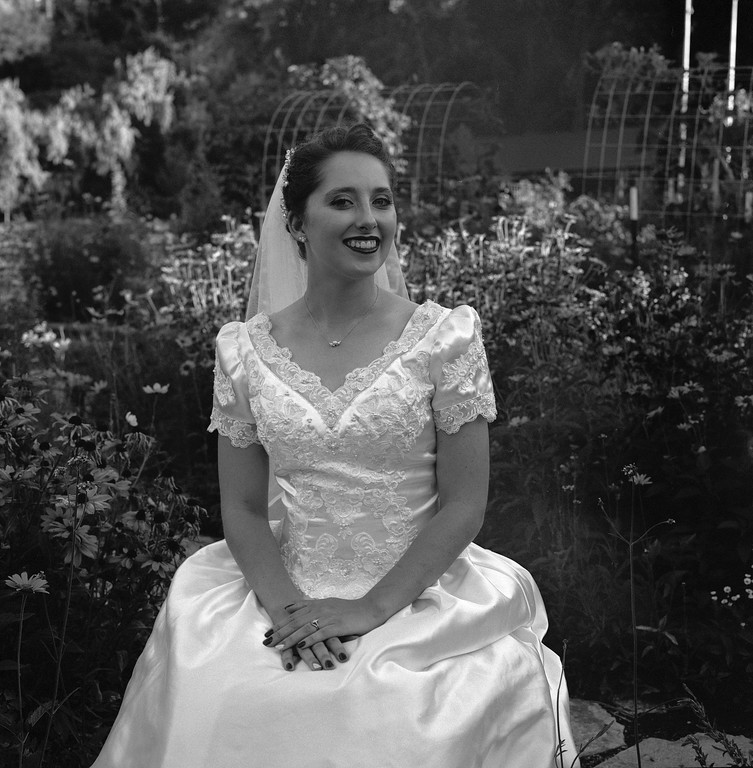
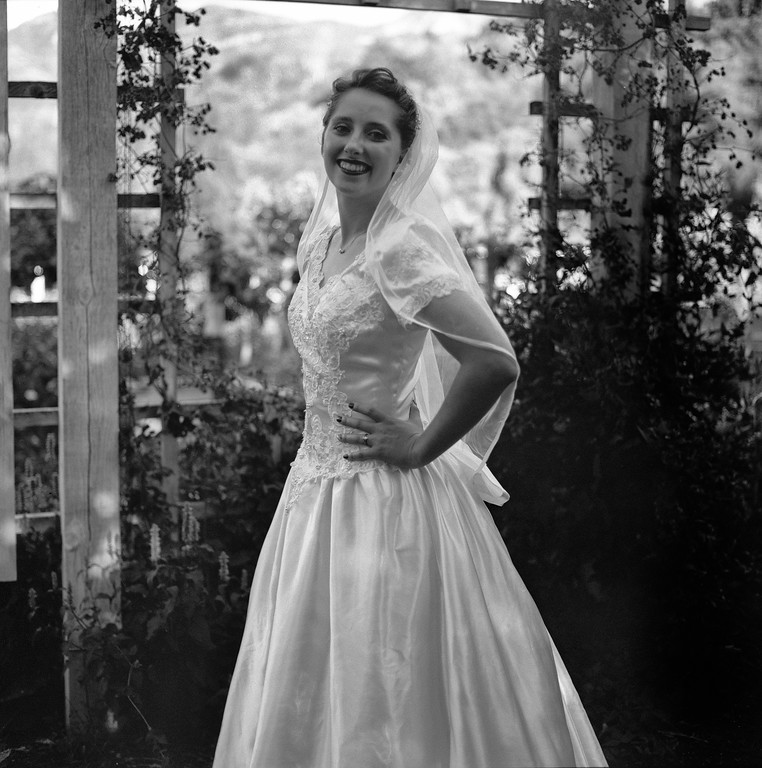
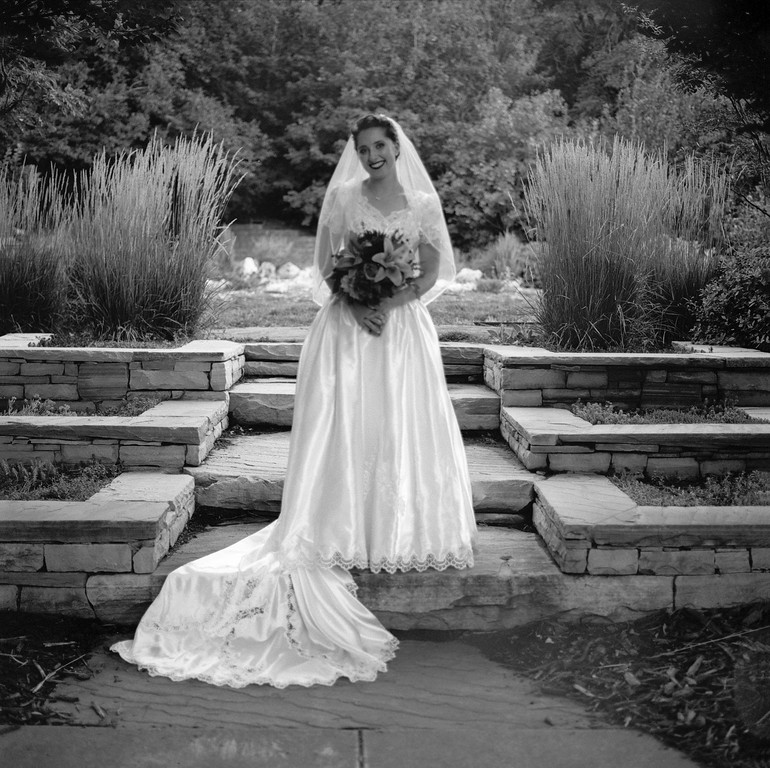


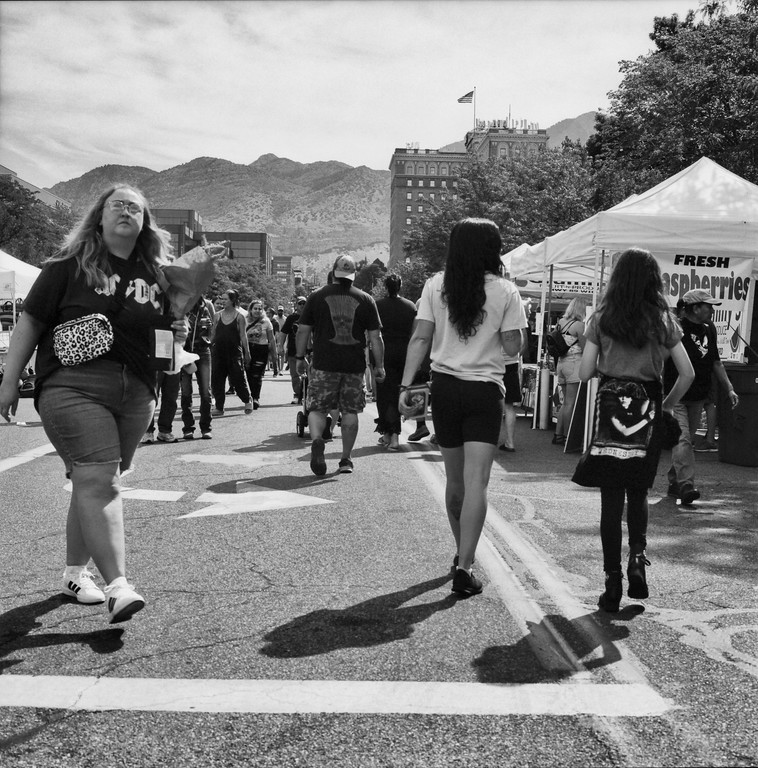
Ogden Farmers Market – Ogden, Utah
Camera: Hasselblad 500EL/M (1977)
Film: Fomapan 100
Process: Kodak HC-110 (1+31) 8.5 Min @ 20°C
Scanned: Epson V700 Photo

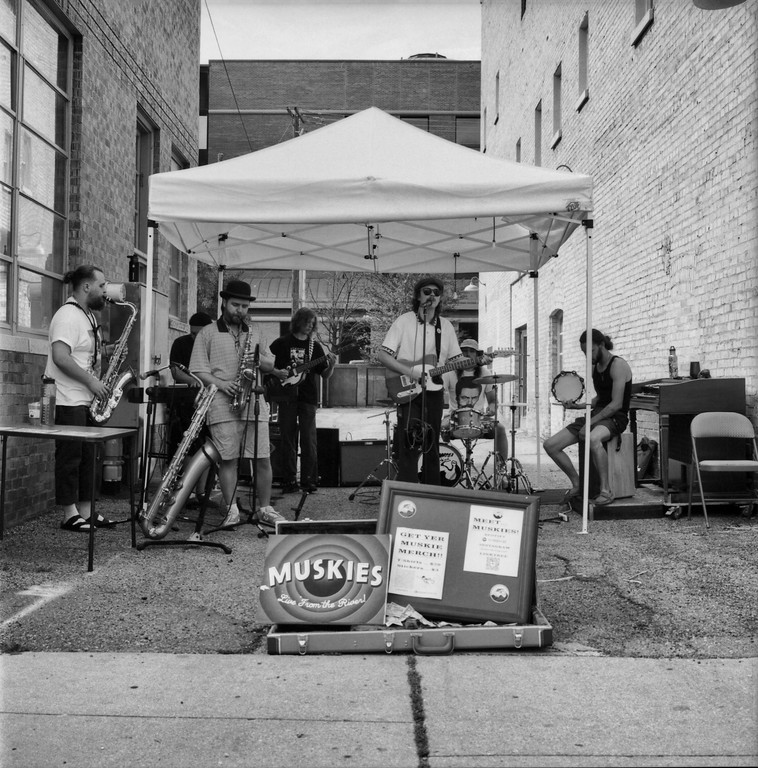
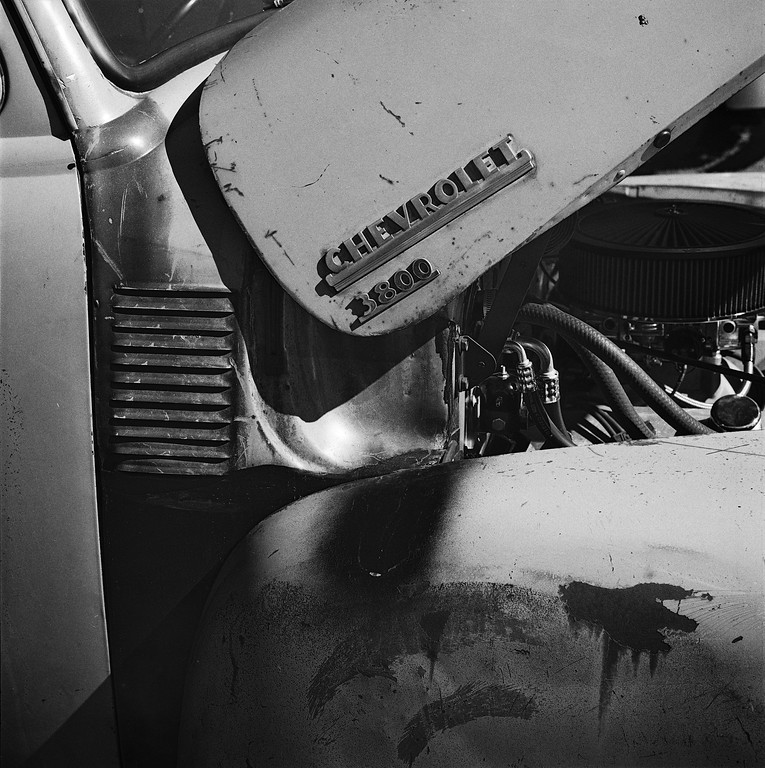
Kulture Krash Car Show – Copperton Park, Copperton, Utah
Camera: Hasselblad 500EL/M (1977)
Film: Kodak Tri-X 400 (Expired)
Process: Kodak HC-110 (1+31) 6 Min @ 20°C
Scanned: Epson V700 Photo

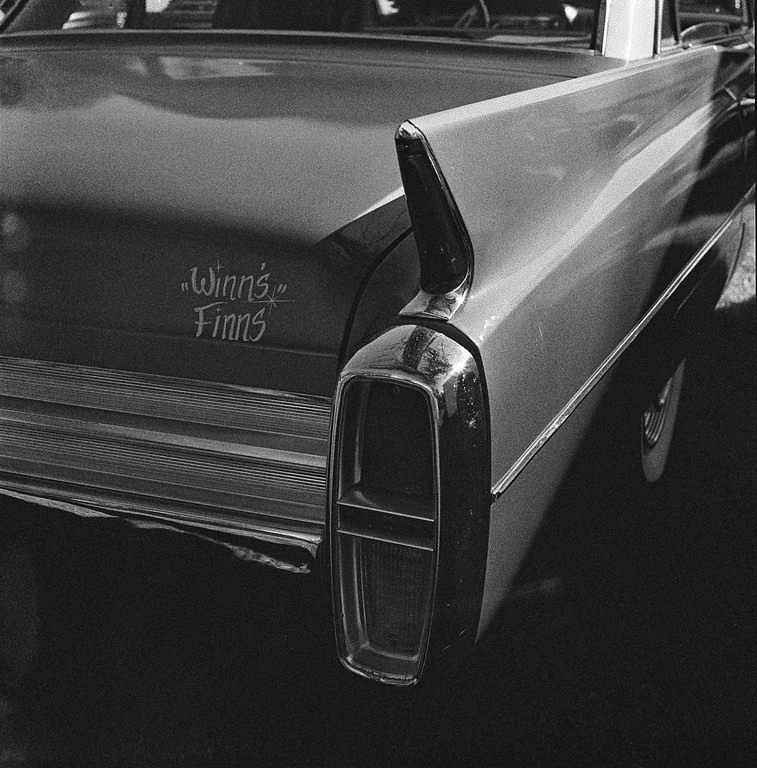
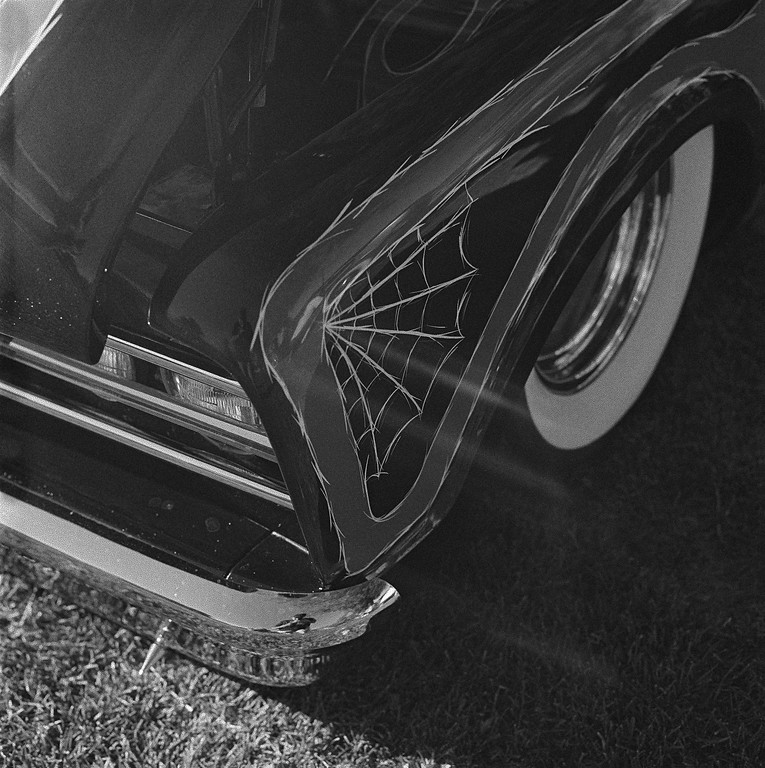


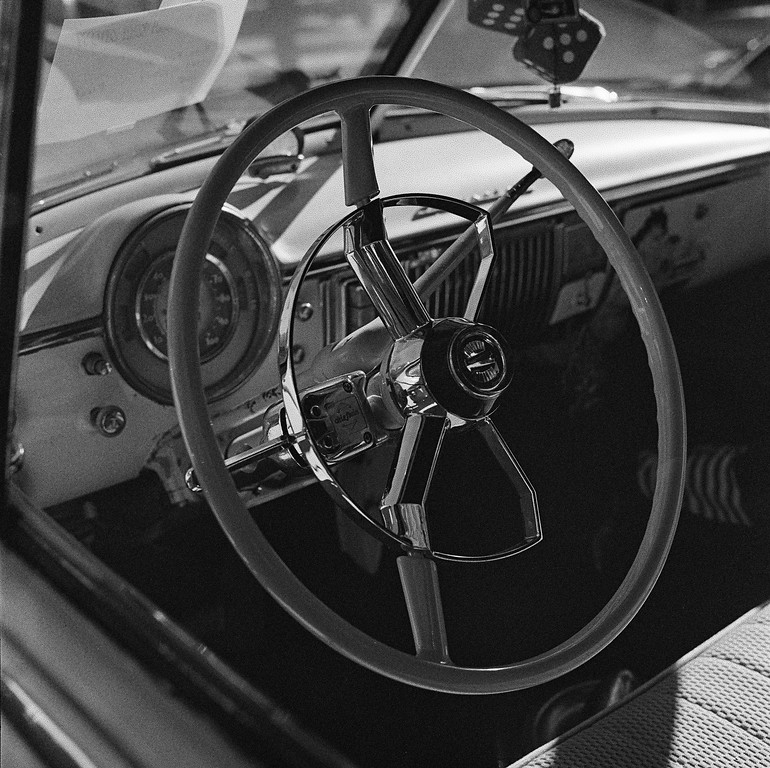

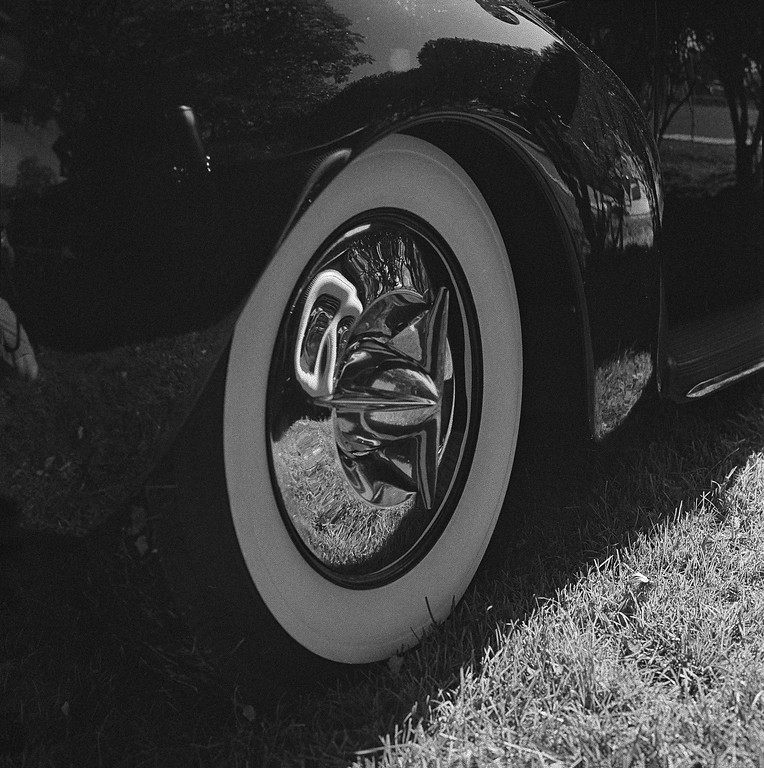
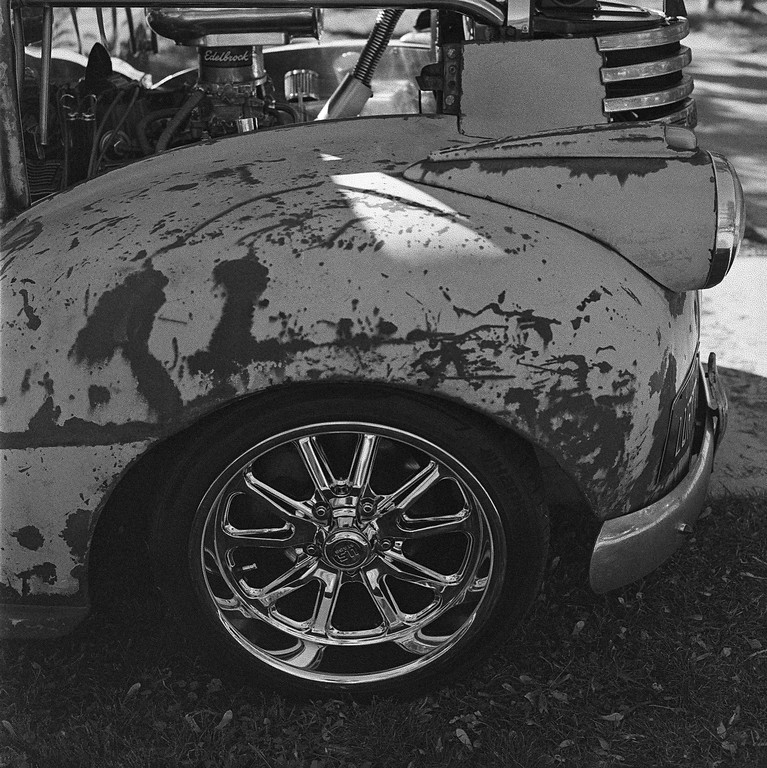
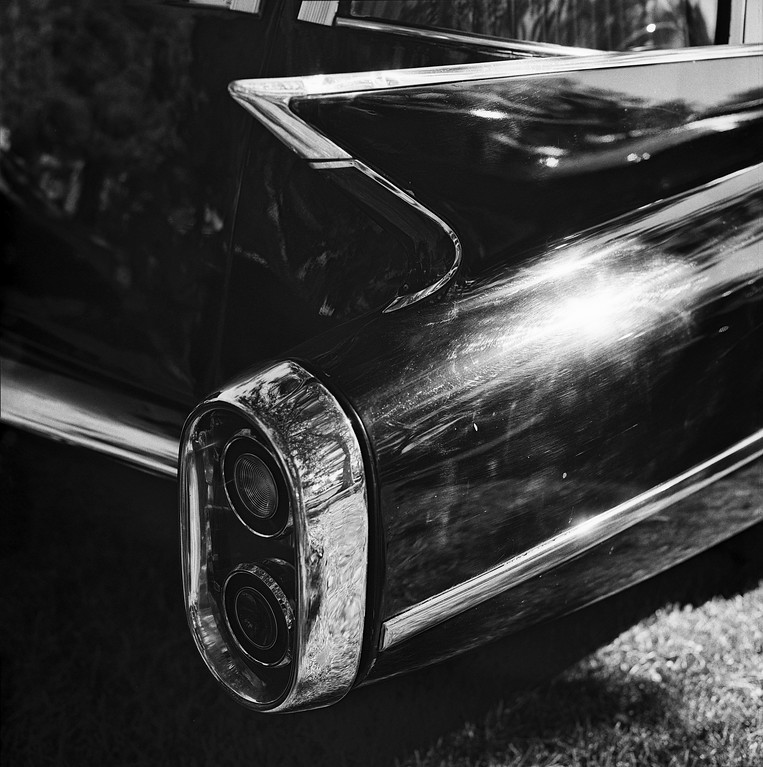
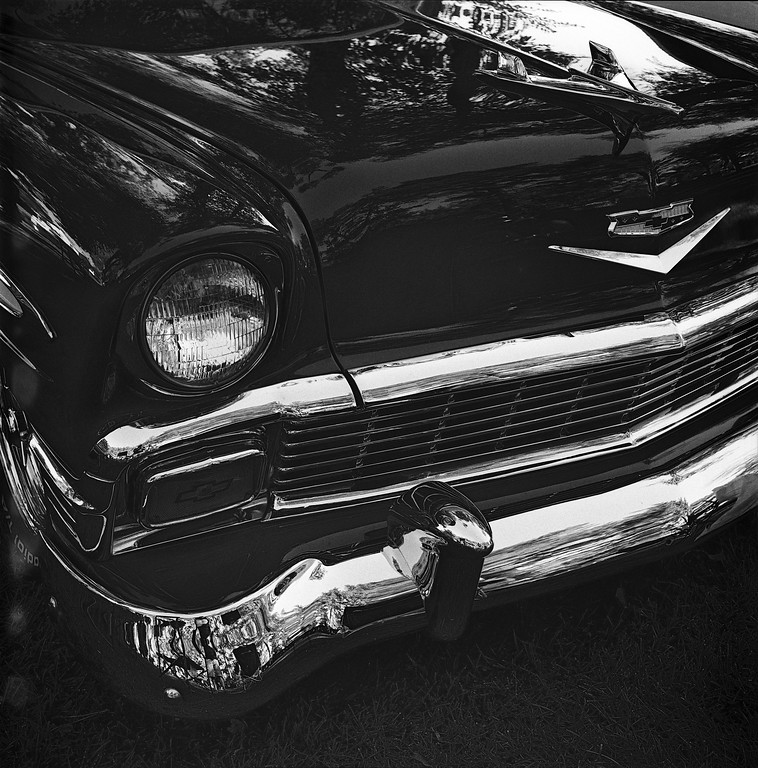
Kulture Krash Car Show – Copperton Park, Copperton, Utah
Camera: Hasselblad 500EL/M (1977)
Film: Kodak TMax 400
Process: Kodak HC-110 (1+31) 6 Min @ 20°C
Scanned: Epson V700 Photo


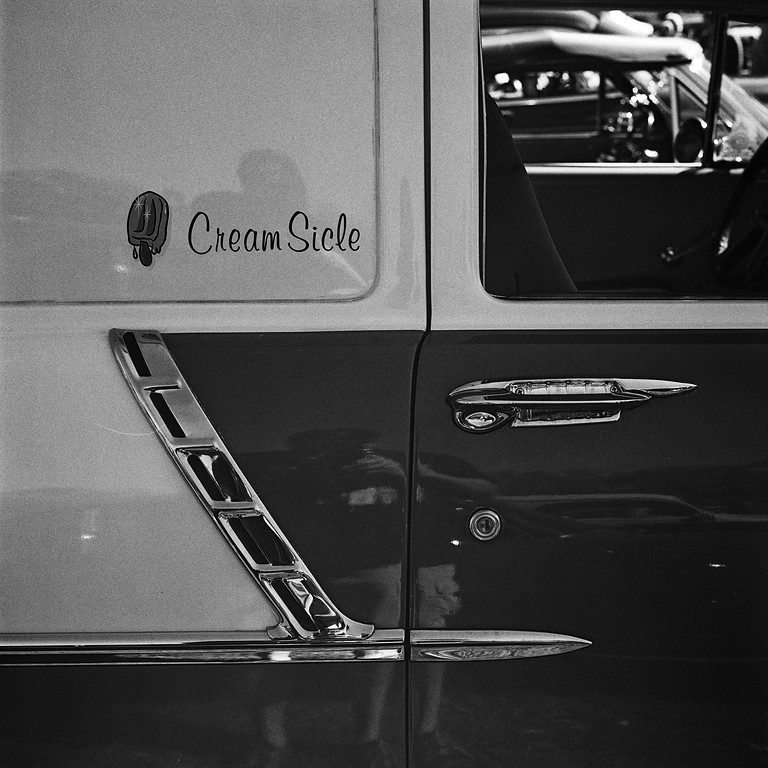

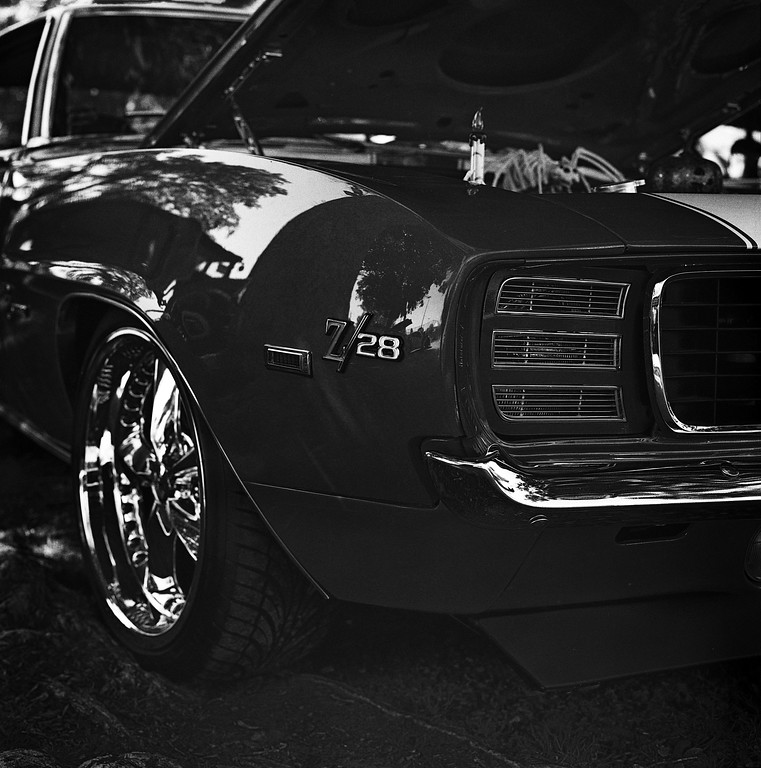





 Utah Film Photography
Great photos with an iconic and amazing camera, then and still now! I just started back into medium format film too, with a resent purchase of a Mamiya RB67 Pro S with the excellent 90 mm Sekor C lens. Looking forward to my first shoot. Medium format is a great size negative to have fun with. Thanks for sharing.
LikeLike
Great images! I have wondered about the Hasselblad system, but was given both an RZ67 and a Rollieflex 6002 which means all my medium format needs are taken care of. A world of difference from the 35mm that I usually shoot, and I love the images medium format can make!
LikeLike
Nice post on the Hasselblad 500 EL/M. I have enjoyed the Hasselblad C/M version for over twenty years. I have other medium format cameras such as Rolleiflex and Mamiya but the Hassy is my favorite. With its 80mm Planar lens it has never let me down and the images are great. I have used a lot of cameras over my lifetime but still believe the Hassy to be the best of the best for shooting medium format. I grew up on TLR’s but once I purchased the Hassy I was hooked.
LikeLiked by 1 person
Glad you’re enjoying the camera! I know i miss it everyday! it was worth sacrificing so i could get my wife her dream wedding ring. let me know if you ever think of selling it, i would snatch it back in a heartbeat
LikeLike