Last spring, I found myself staring at the cameras lining the shelves in my office, wondering which ones actually get used and why. One camera in particular puzzled me: my Leica M3. It’s a fantastic camera, with a 50mm Summarit f/1.5 lens, yet it rarely leaves the shelf. After some reflection, I realized the problem was simple—I only own the 50mm lens, and many of the subjects I photograph call for a wider composition.
The Leica M3’s viewfinder displays bright framelines for 50mm, 90mm, and 135mm lenses. When one of those lenses is mounted, a small lever on the front of the camera lets you select the matching framelines. The original M3 manual explains the system:
“This new system of framing has two advantages. First, it is not necessary to place the eye exactly in the center of the eyepiece; even if the image is viewed obliquely, the field of view will be correctly outlined. Second, an automatic parallax-correcting device is incorporated, which shifts the bright-line frame towards the lens axis as the lens is focused on closer distances. Thus the finder always shows exactly what will be obtained on the film, and pictures may be composed exactly, right to the edge of the film.”
While scrolling through a camera buy/sell group on Facebook, I spotted a 35mm f/3.5 Summaron complete with “goggles” at a very fair price. I messaged the seller immediately, and a few days later the lens was in my hands.
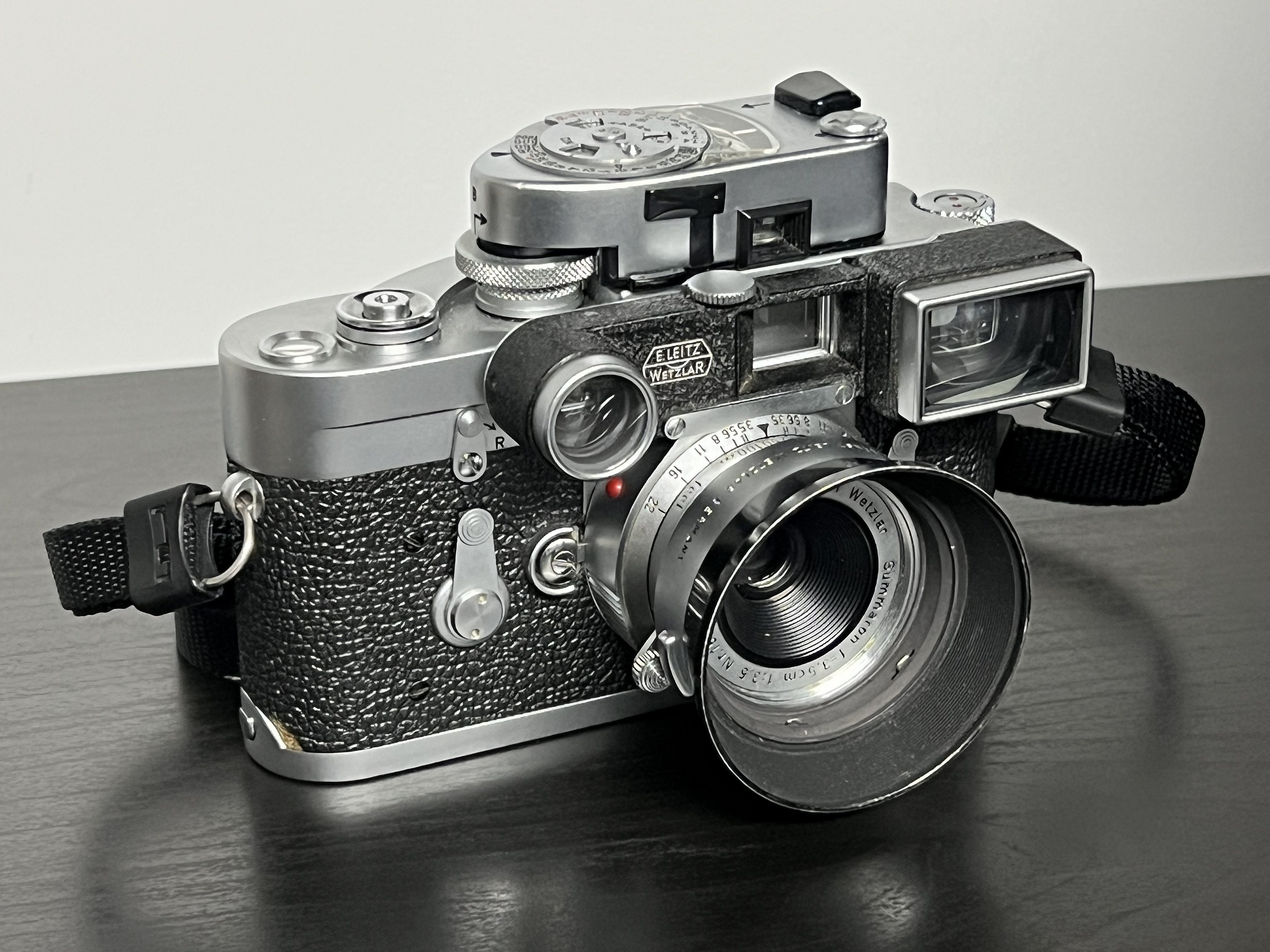

So, what are “goggles”? Since the M3 has no native 35mm framelines, the goggled version of the Summaron adds an auxiliary optical unit that sits over both the viewfinder and rangefinder windows. This extra element effectively turns the M3’s finder into a 35mm viewfinder and corrects parallax at the same time. The lens itself is a six-element, four-group design with an all-metal barrel and wonderfully precise manual focusing. It’s not the sharpest Leica lens ever made, but I’ll borrow my favorite quote from photographer Scott Bourne: “Ninety-nine percent of lenses are better than one hundred percent of photographers.”
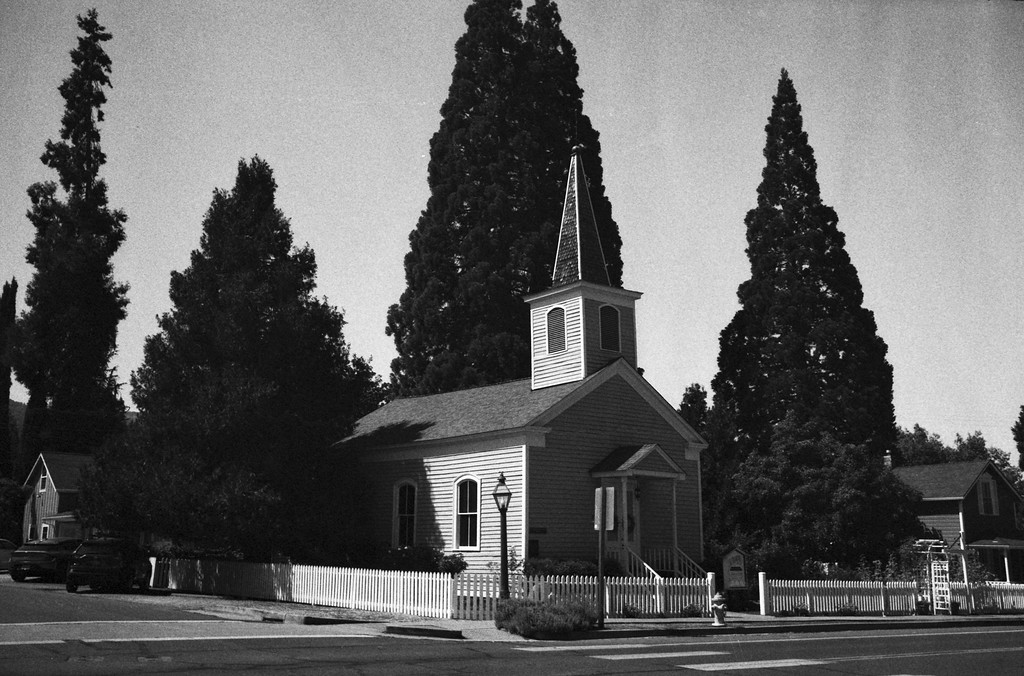
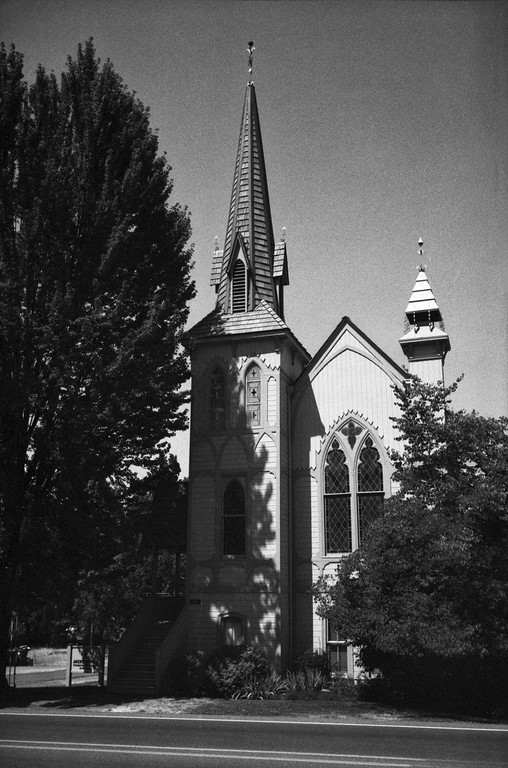
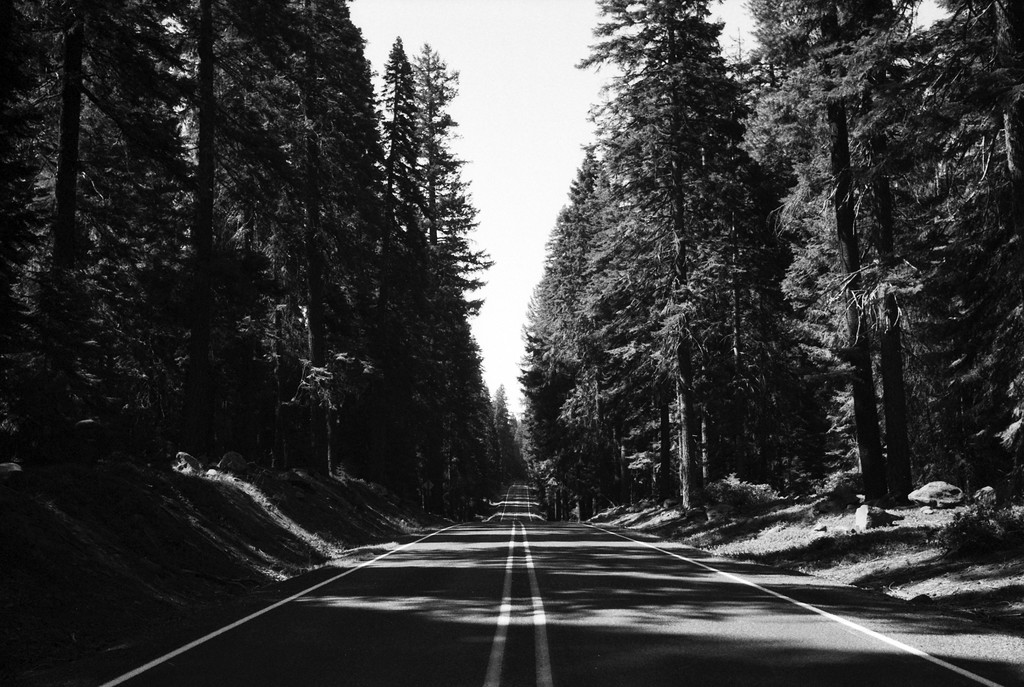
I shot two rolls with it during a trip to Oregon in July, and although I still have plenty of testing and experimenting ahead, I’m already impressed. For $400, it was exactly what I needed to give the M3 a wider voice. As a bonus, I picked up an adapter so I can also use the Summaron on my Sony A7R IV digital body.
Camera: Leica M3 (1959)
Film: Kodak 5222 Double-X ISO 250
Processed: FPP Super MonoBath 3:50 Min @ 24°C
Scanned: Epson V700 Photo








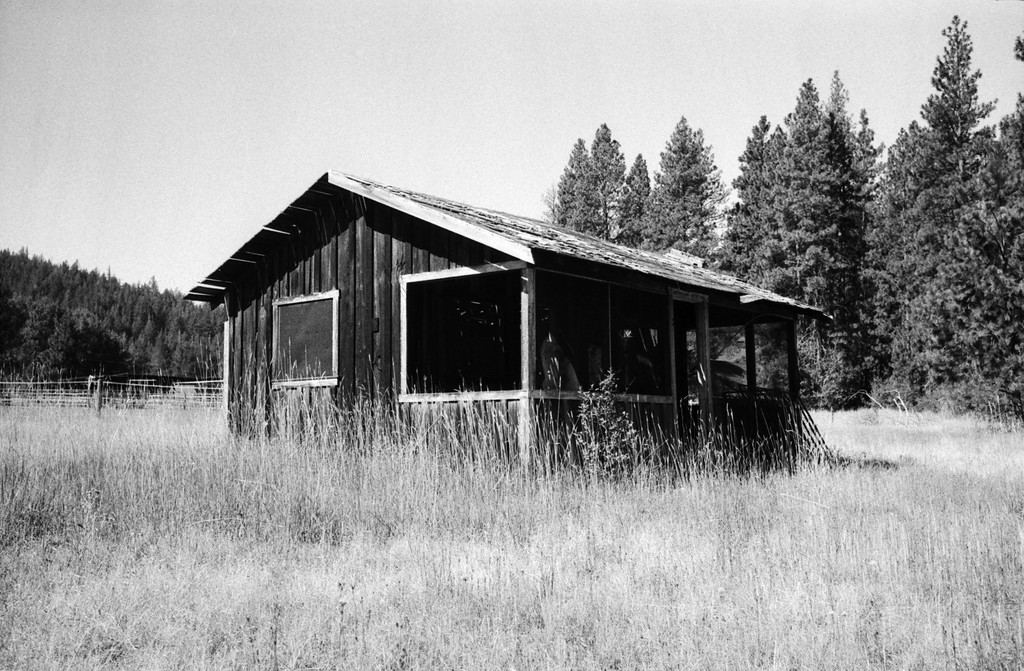




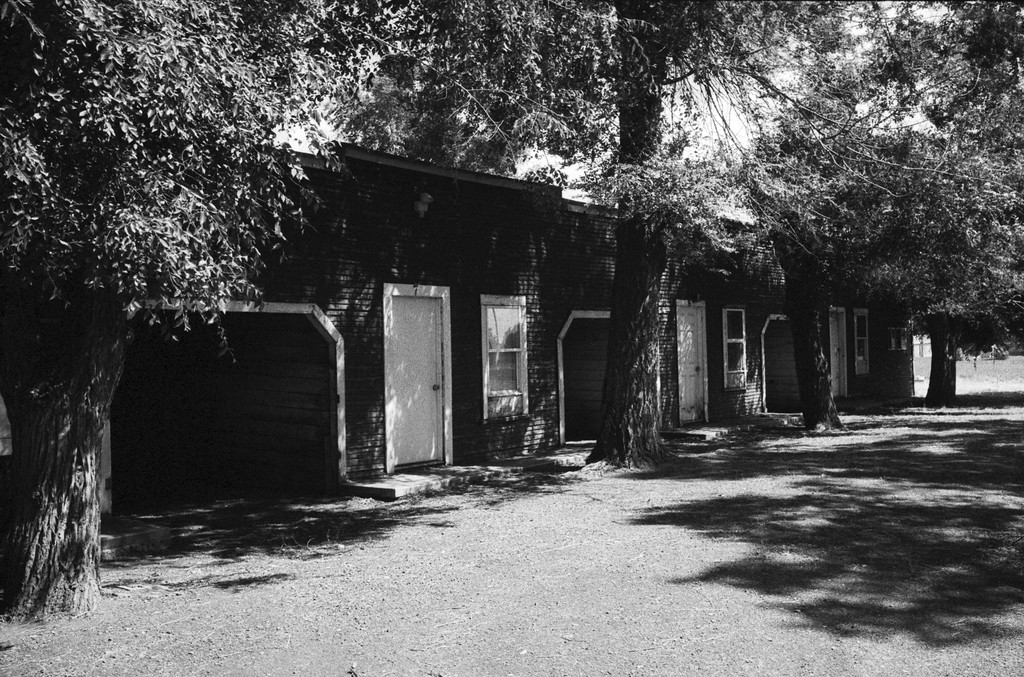



Camera: Leica M3 (1959)
Film: Kosmo Foto Agent Shadow ISO 400
Processed: FPP Super MonoBath 3:50 Min @ 24°C
Scanned: Epson V700 Photo








Great set of images with the new lens. Love the shots of Crater Lake and Wizard Island. Brought back some happy memories of my last visit to the USA.
LikeLiked by 1 person
Hey Shaun, I tried to comment but it seems comments are closed! Anyway my comment was: A great lens and a great eye… The perfect combination!
>
LikeLike
Shaun –
Those photos look great on my phone, and I await seeing them on my TV when I get home
Bob Grant
Get Outlook for Androidhttps://aka.ms/AAb9ysg
LikeLike