3D printing has become a popular hobby, but it’s also a powerful tool for solving everyday problems. Film photography has benefited from it in a big way. Makers are designing replacement parts for cameras that haven’t been manufactured in decades, and some are even creating entirely new cameras.
Last December, I purchased a 3D-printed panoramic camera called the 6X Mini from Ron Zorman Photography. I haven’t written a review or shared photos from it yet, but I plan to soon. It’s basically a camera back that attaches to a 4×5 camera with a Graflok back, allowing you to shoot 6×12 and 6×17 images on 120 film. Ron designs and prints each one with precision and tests every unit before it leaves his shop. I’ll share more about it in a future post.
I also want to give a shoutout to my friend Jim Anderson at FilmStuffLab. He’s created a lot of fantastic 3D-printed items for film photographers. For example, if you want to develop Minox or APS film at home in your Jobo or Paterson tank, he has you covered.
About a month ago, I decided to dip my toe into 3D printing and bought a Bambu Lab P1S Combo. It’s been a lot of fun. The current generation of 3D printers is incredibly easy to use. Within an hour of taking it out of the box, I was printing a Benchy—the famous little tugboat many people use as their first print. With automatic bed leveling, multi-color printing, and easy-to-use software, 3D printing has become something just about anyone can try.
Within the first week of owning the printer, I decided to design something to protect the ground glass on my Tachihara 4×5 field camera. I always worry about something pressing against the back of the camera during transport and shattering the glass.
The design needed to work like a sleeve, almost like a file folder. It would slide between where you would put in the 4×5 sheet film holder and the ground glass on the back of the camera, with three open sides. It had to be thick enough to protect the glass, but still easy to slide out and toss into my camera backpack while I’m using the camera. With some brainstorming help from AI, I came up with a sleeve-style design that works well and is easy to use.
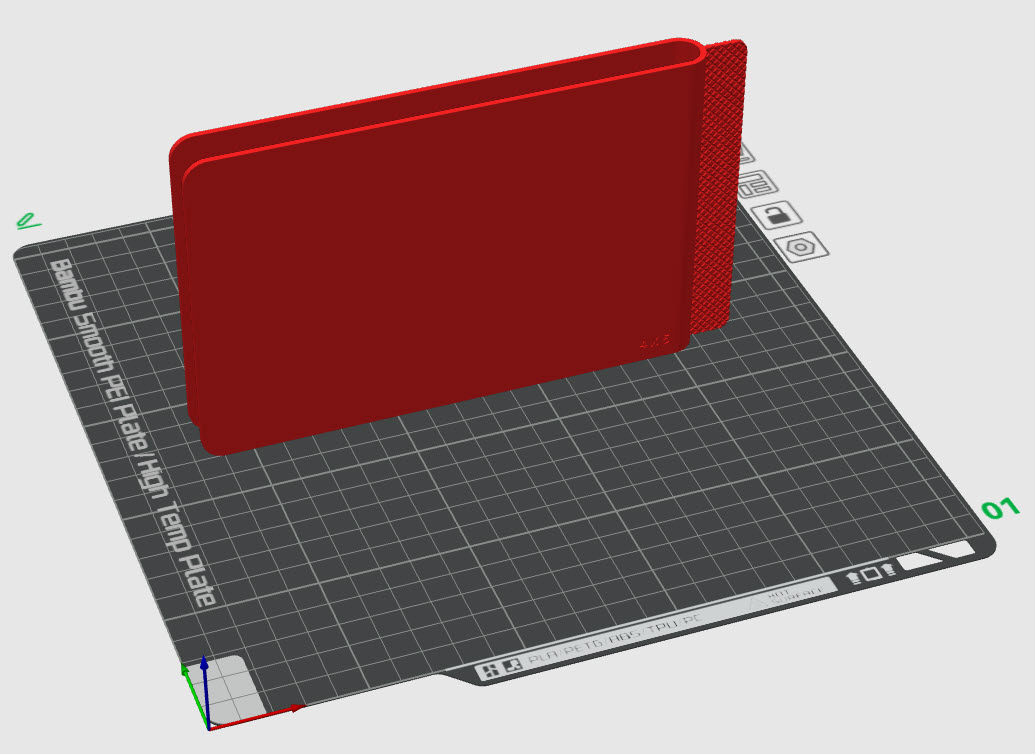
I printed a few versions of the sleeve, making small changes along the way. Since I wanted to see how useful it might be for other photographers, I sent three versions to other 4×5 field camera users. They gave me helpful feedback and suggestions for future versions.
After making additional adjustments, I believe it’s ready to share so other people can print their own. You can find the model in Bambu Studio’s online models section, or on the Makerworld website.
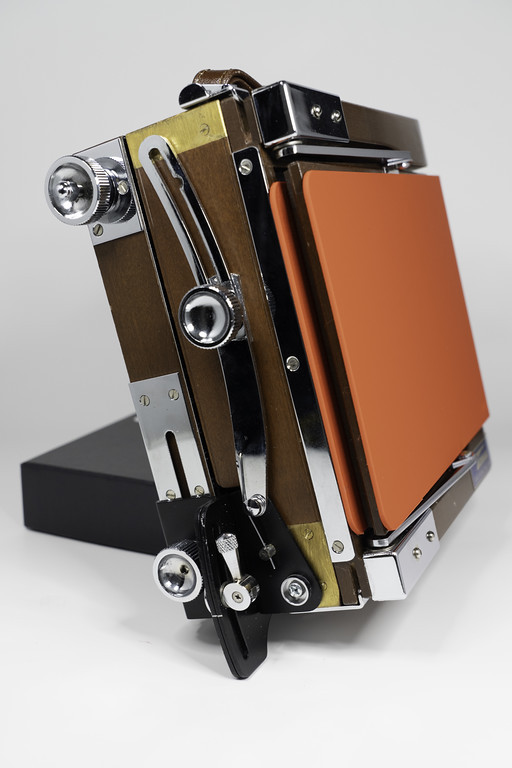
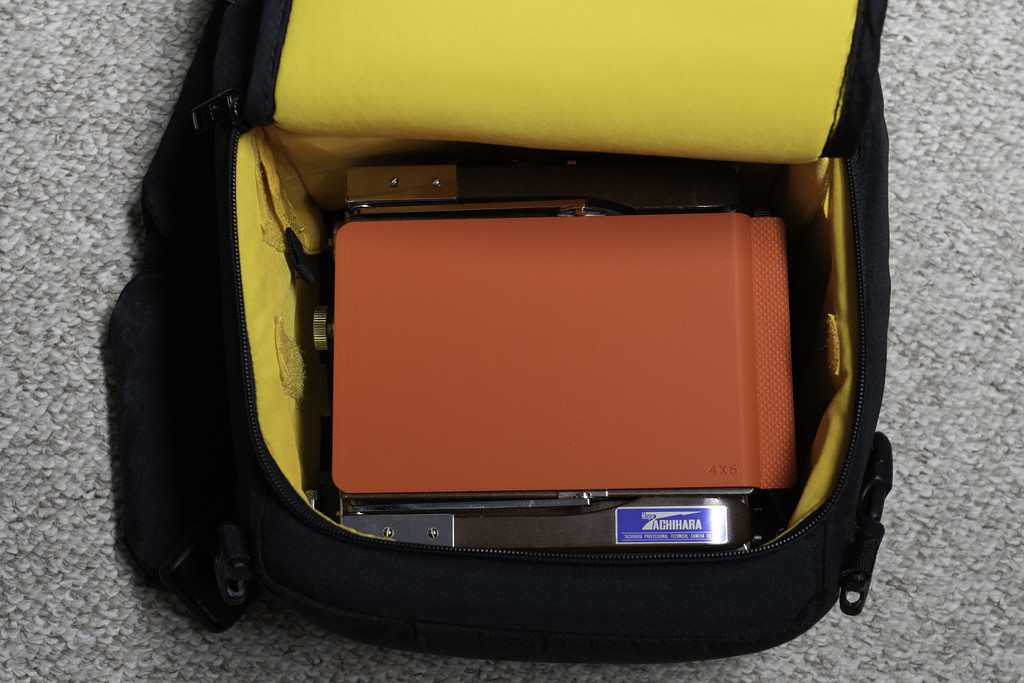
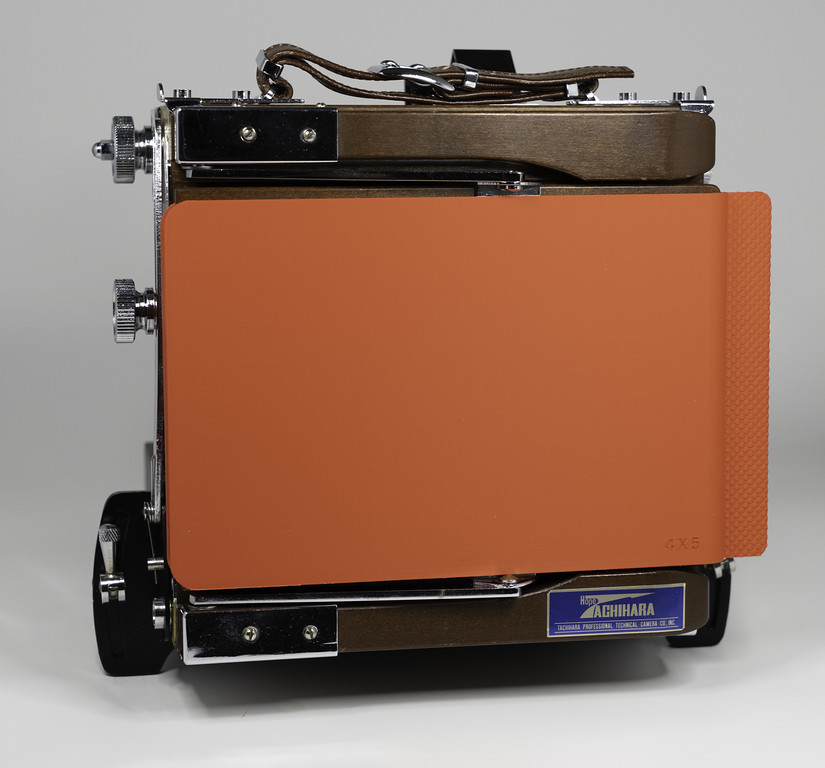
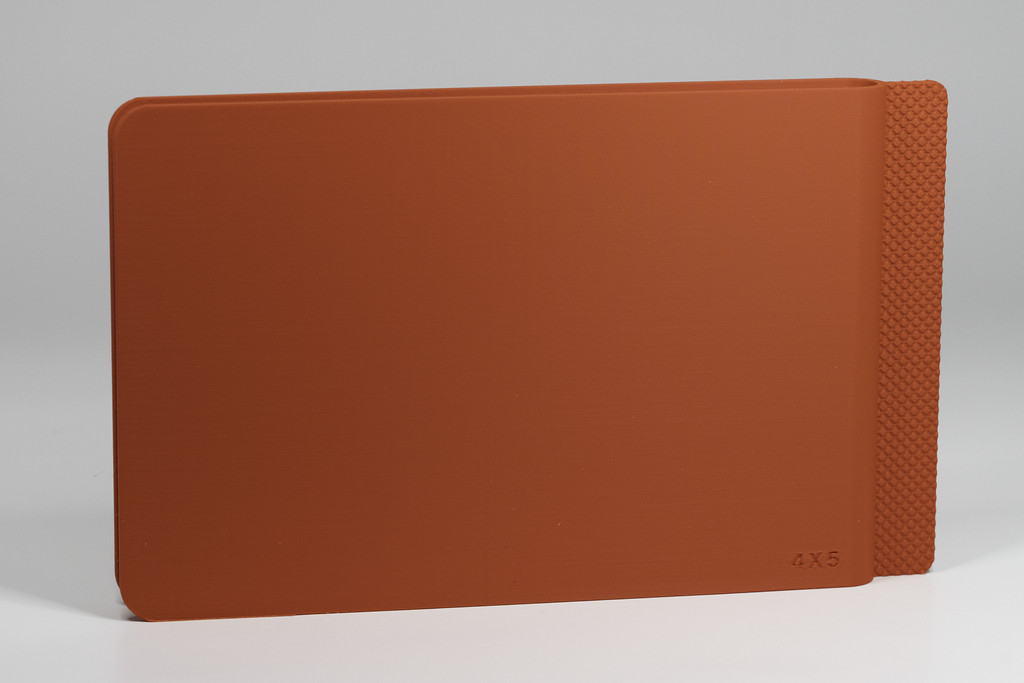
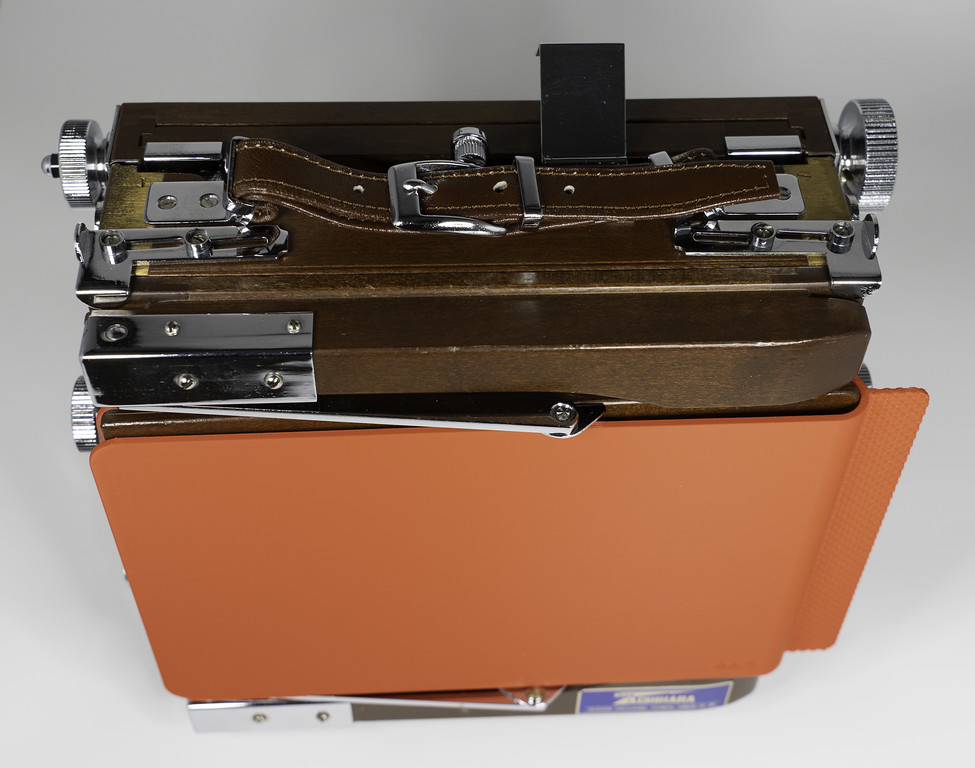
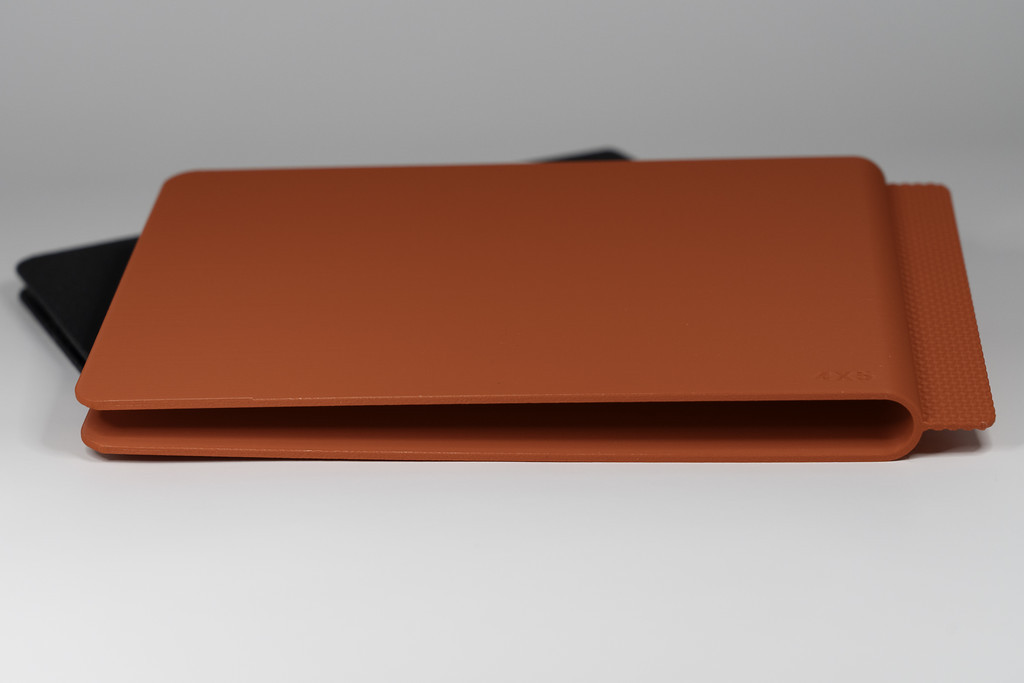
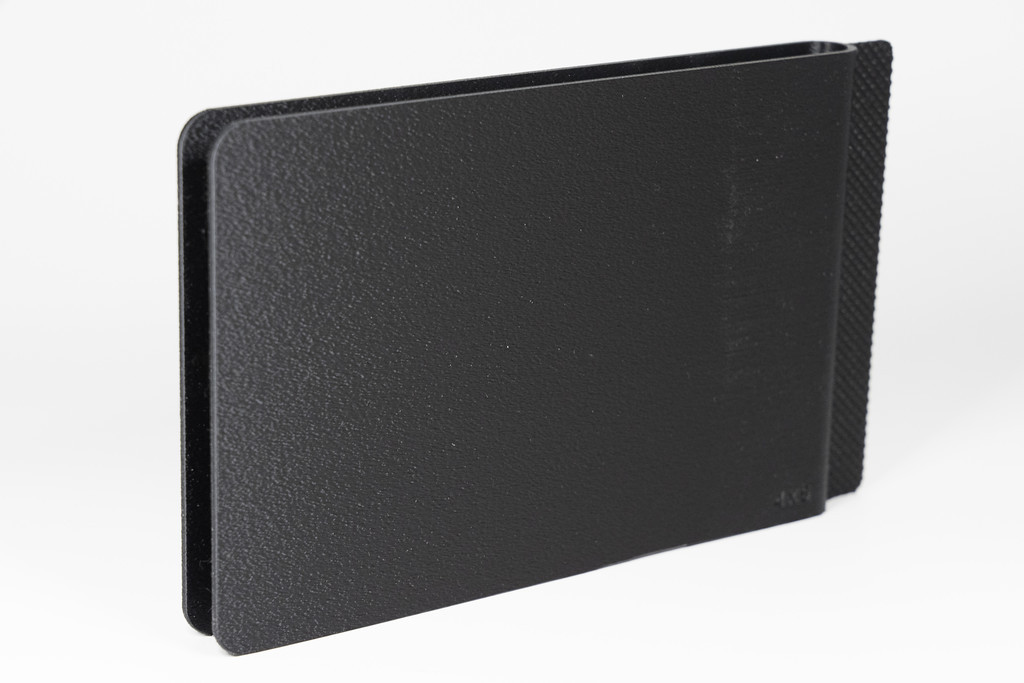
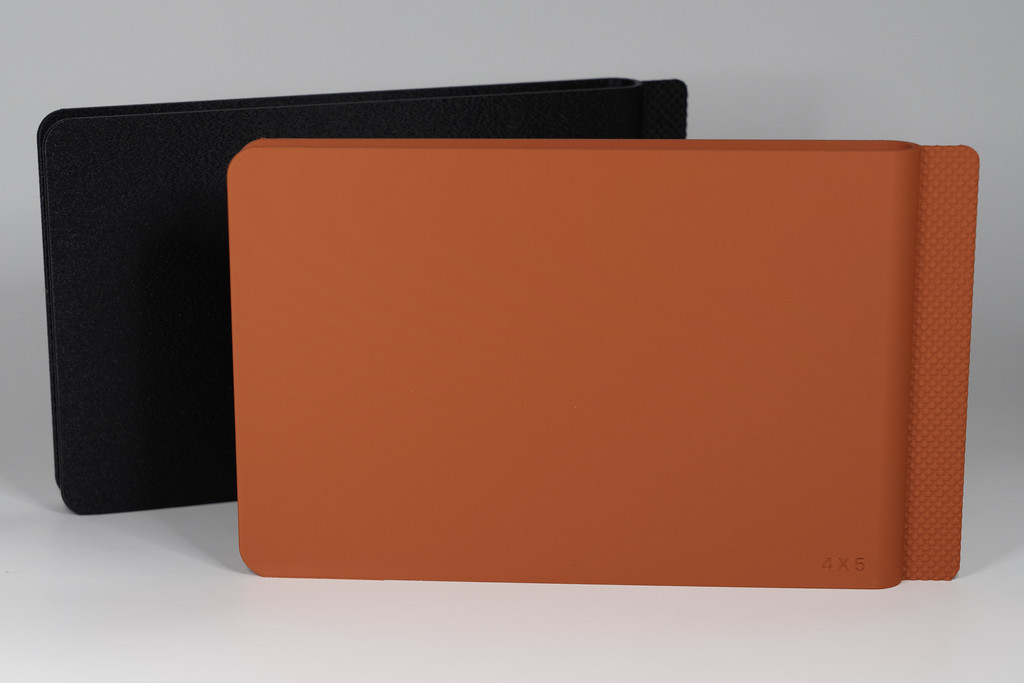
If you don’t have a 3D printer but would like one of these, please reach out. If you live in the lower 48 U.S. states, I’m happy to print one in the color of your choice and ship it to you for $25.
Future versions of the ground glass protector will also be available online. If you’re worried about fit, the model can be scaled up or down for a more precise adjustment. I’m excited to keep improving the design, and I hope it helps other large format photographers protect their ground glass while out in the field.


I have been shooting a stand alone 6×17 with a 90mm and just got another 6×17 with the Graflock plates from Custom Camera Builder in Canada (part of the kickstarter).
I have found with the 4×5 I can not use my other 90mm so will use my 125 and 210, keeping the CCB kit assigned to my spare 4×5, and the stand alone 6×17 for wider, closer to true Pano.
Will reach out about both a 4×5 and 5×7 glass protector as my last source I looked at, stopped selling them
LikeLike