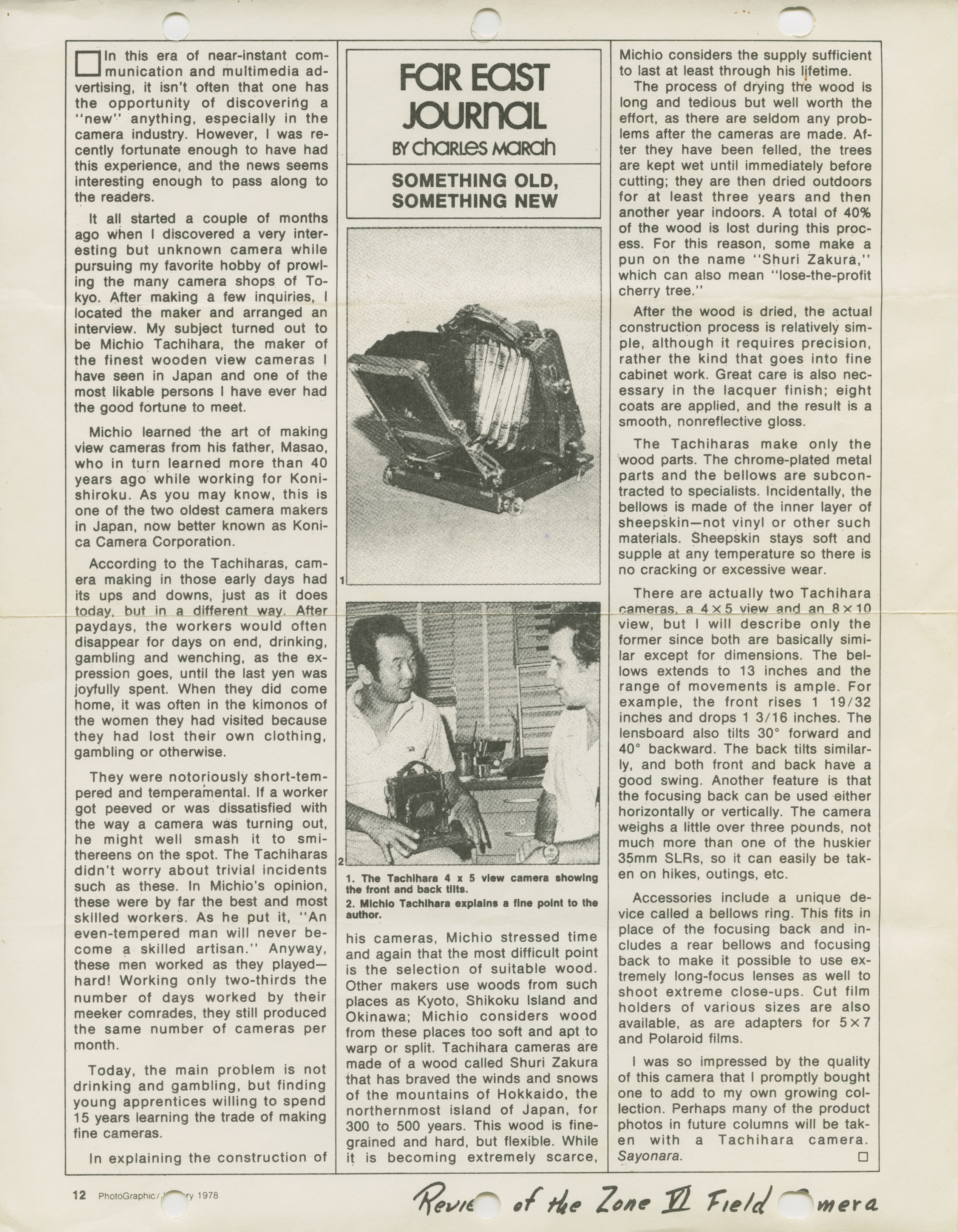
Tachihara Camera Works was founded in 1925 by Maso Tachihara and based in Kita-ku, Tokyo, Japan. The hand-crafted cameras are made of 300 to 500-year-old Hok-Zakura, a type of cherry wood that only grows in Japan’s northern island of Hokkaido. This wood is meticulously dried for three years before being utilized in crafting the cameras. Featuring chrome-plated mechanisms and sheepskin bellows lined with silk, the finished cameras underwent eight coats of hand-rubbed lacquer, ensuring a durable finish. It is believed that Tachihara ceased operations around 2010, and although their website remained online until 2013, the company’s production came to an end.


The Tachihara field camera was one of three Japanese handmade cameras introduced in 1978. An article from Popular Mechanics magazine in January 1979 stated, “It’s hard to imagine a Japanese camera that isn’t made in an ultra-modern automated factory.” However, the Ikeda, Tachihara, and Nagaoka view cameras defied this expectation, being meticulously handcrafted with a keen focus on quality and detail.


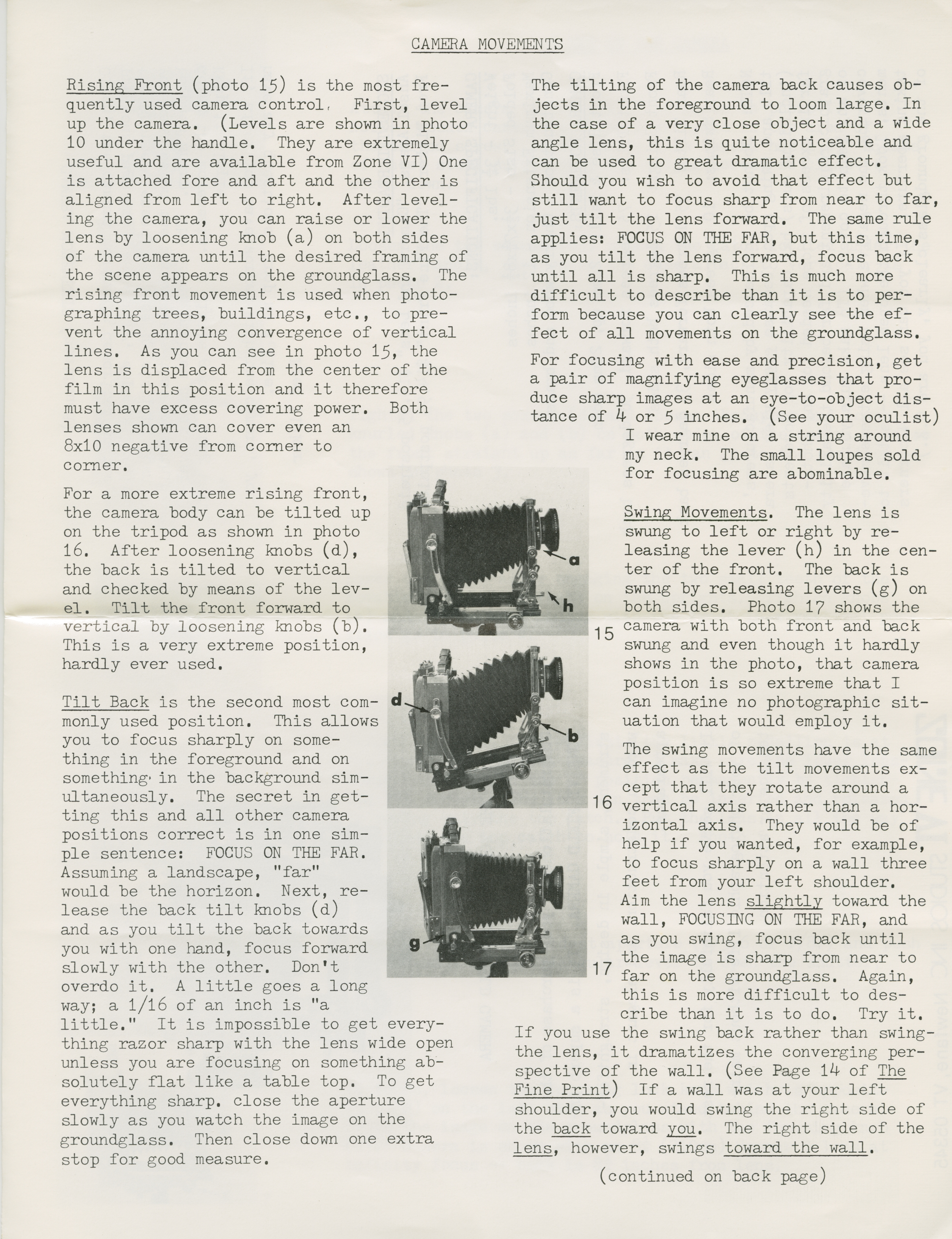
During the introduction of the Tachihara 4×5 camera, electronics were increasingly being integrated into smaller 35mm cameras manufactured in large factories. Even with the combination of electronics and improvements in optics, the Tachihara distinguished itself through its exceptional quality and full control, including movements familiar to large format photographers such as swing, tilt, rise, and fall.
While most of the information I’ve come across indicates that Tachihara Camera Works introduced their new 4×5 and 8×10 view cameras in 1979, this article and interview in PhotoGraphic was published in January of 1978. I highly recommend reading this short one-page article. I particularly enjoyed Michio Tachihara’s anecdote about early camera makers who played hard and worked hard. Michio’s father, Maso, was the original founder of the business and had an impressive 40-year career making cameras for Konishiroku (Konica Camera Corporation).
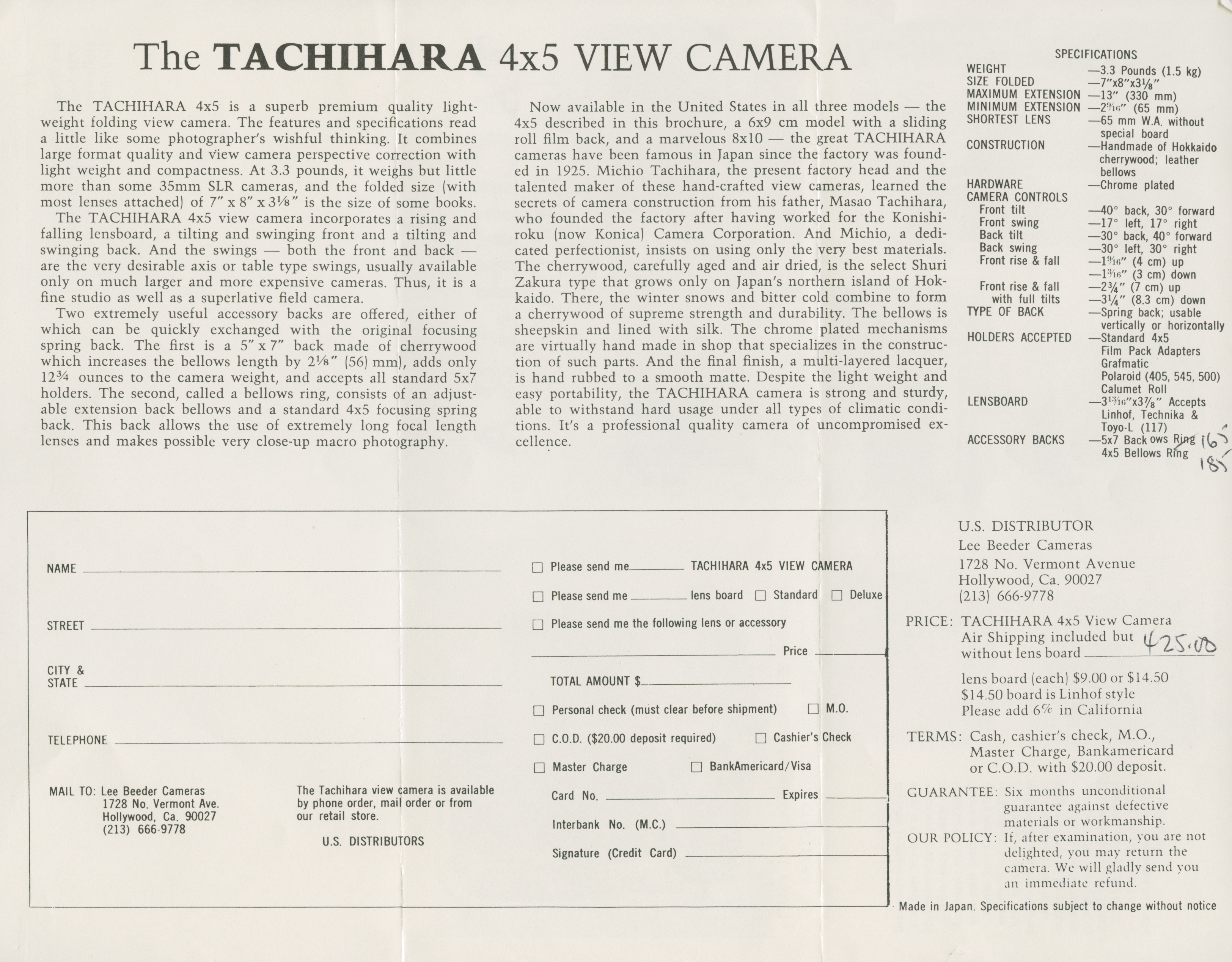
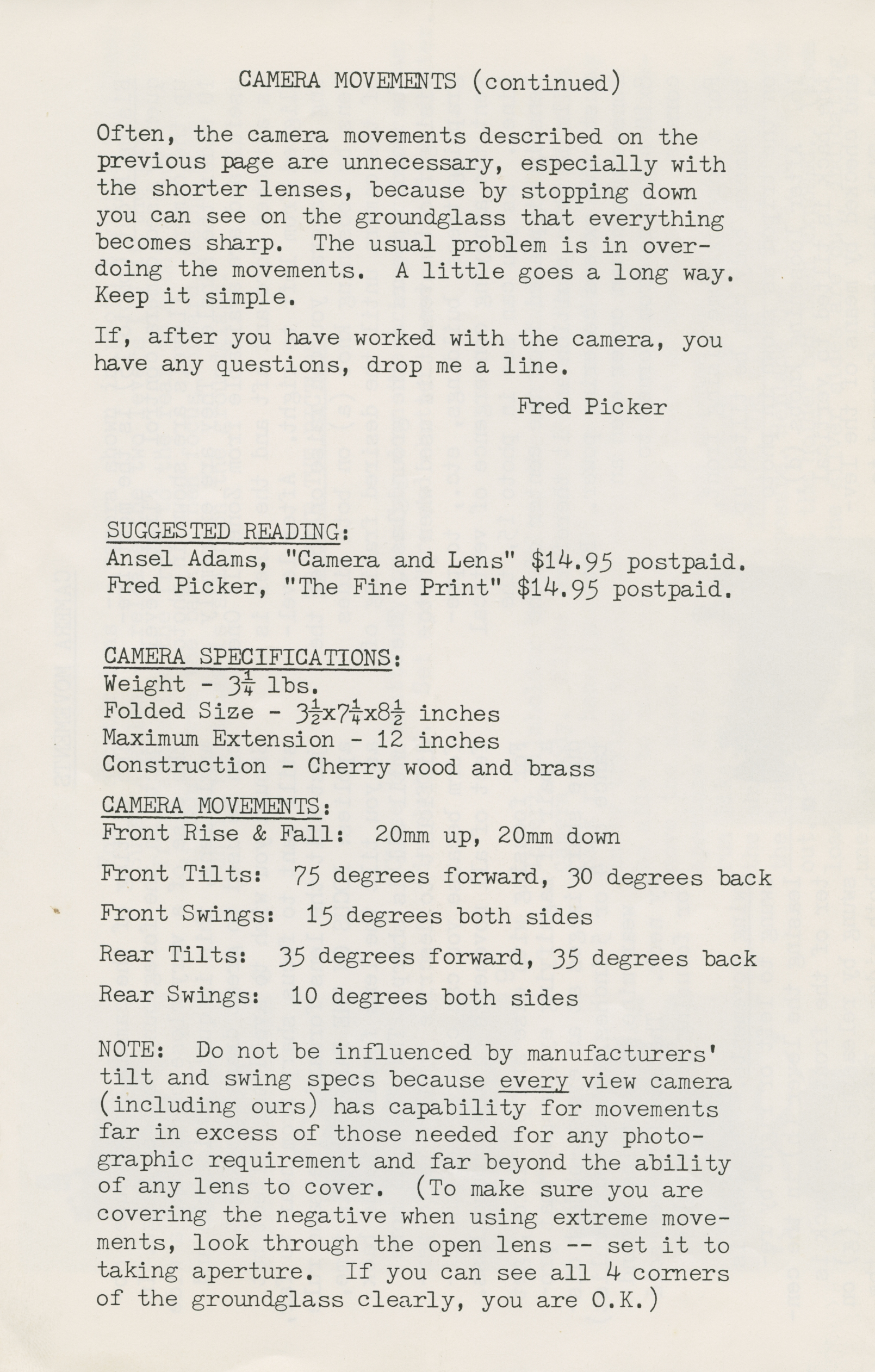
Being a wooden camera might lead you to think that it’s heavy, but the 4×5 camera only weighs 3.3 lbs./1.5 kg without a lens attached. When folded, it measures only 7” x 8” x 3 1/8”. Further specifications can be found in one of the original order forms from Lee Beeder Cameras in Hollywood, California.
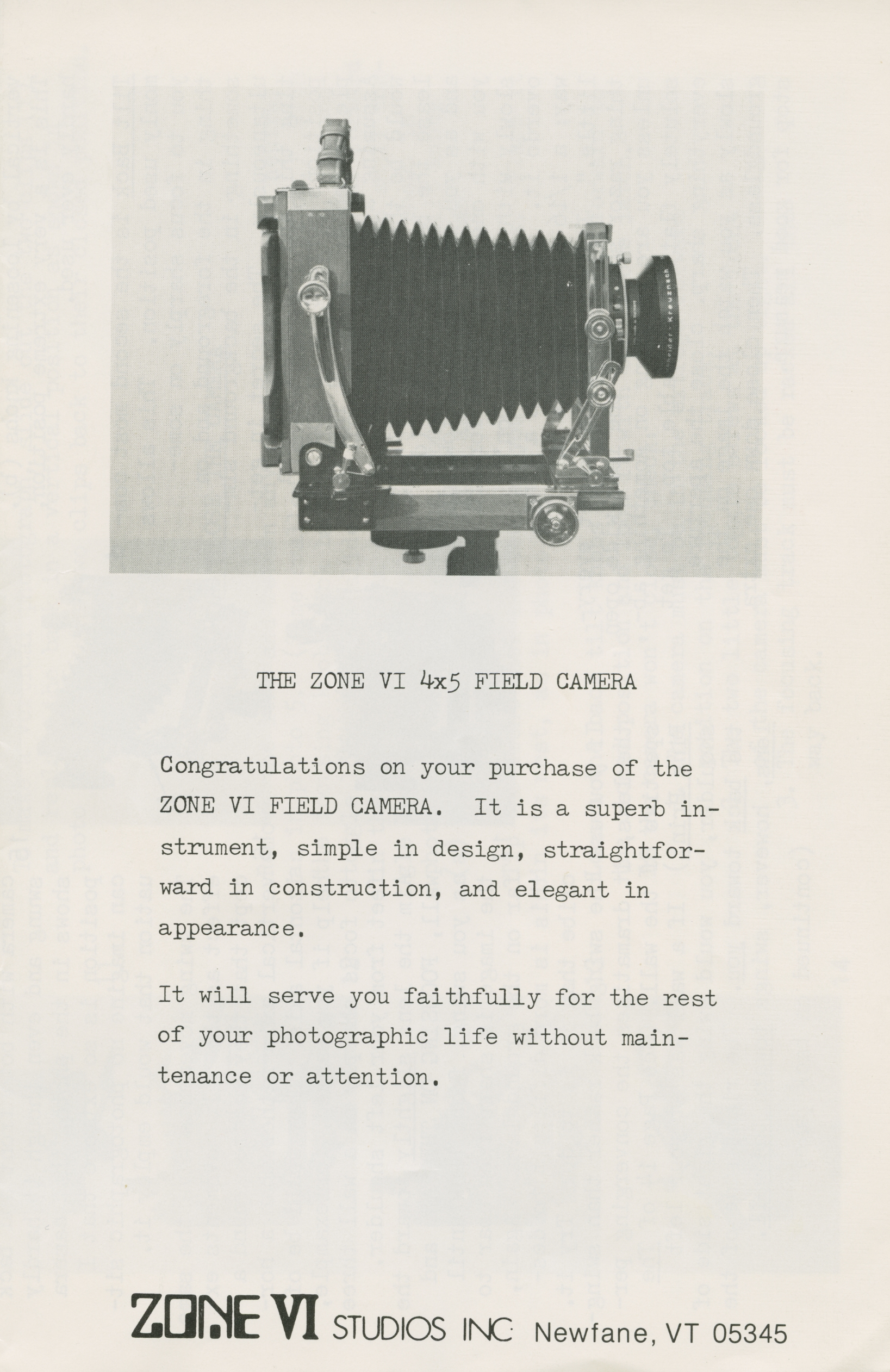
My experience with large format photography has involved using my 1955 Graflex Pacemaker Crown Graphic, Kodak Master View, and a Graflex Super Speed Graphic. As I’ve grown older, I’ve come to appreciate lighter cameras more and more. The Pacemaker is heavy, and the Kodak Master View is even heavier. Surprisingly, the Tachihara is so light that you might assume it’s delicate, but it’s quite sturdy.
The Tachihara kit I have included two lenses: a Schneider Symmar-S f/5.6 210mm and a Schneider Angulon f/6.8 90mm. The Schneider Symmar-S is my preferred lens. When using this lens on the Tachihara, it provides a bright focus screen and edge-to-edge clarity. The Symmar-S offers shutter speeds from 1 to 400th/sec and an aperture range from f/5.6 to 45, making it ideal for large format portraits. The Schneider Angulon is a wide-angle lens at 90mm, suitable for landscape photography. It offers shutter speeds from 1 to 500th/sec and an aperture range from f/6.8 to 32. One observation I’ve made with the wider lens is that camera movements (such as tilt and rise) are more noticeable in the final image. I believe I need more practice with this particular lens.
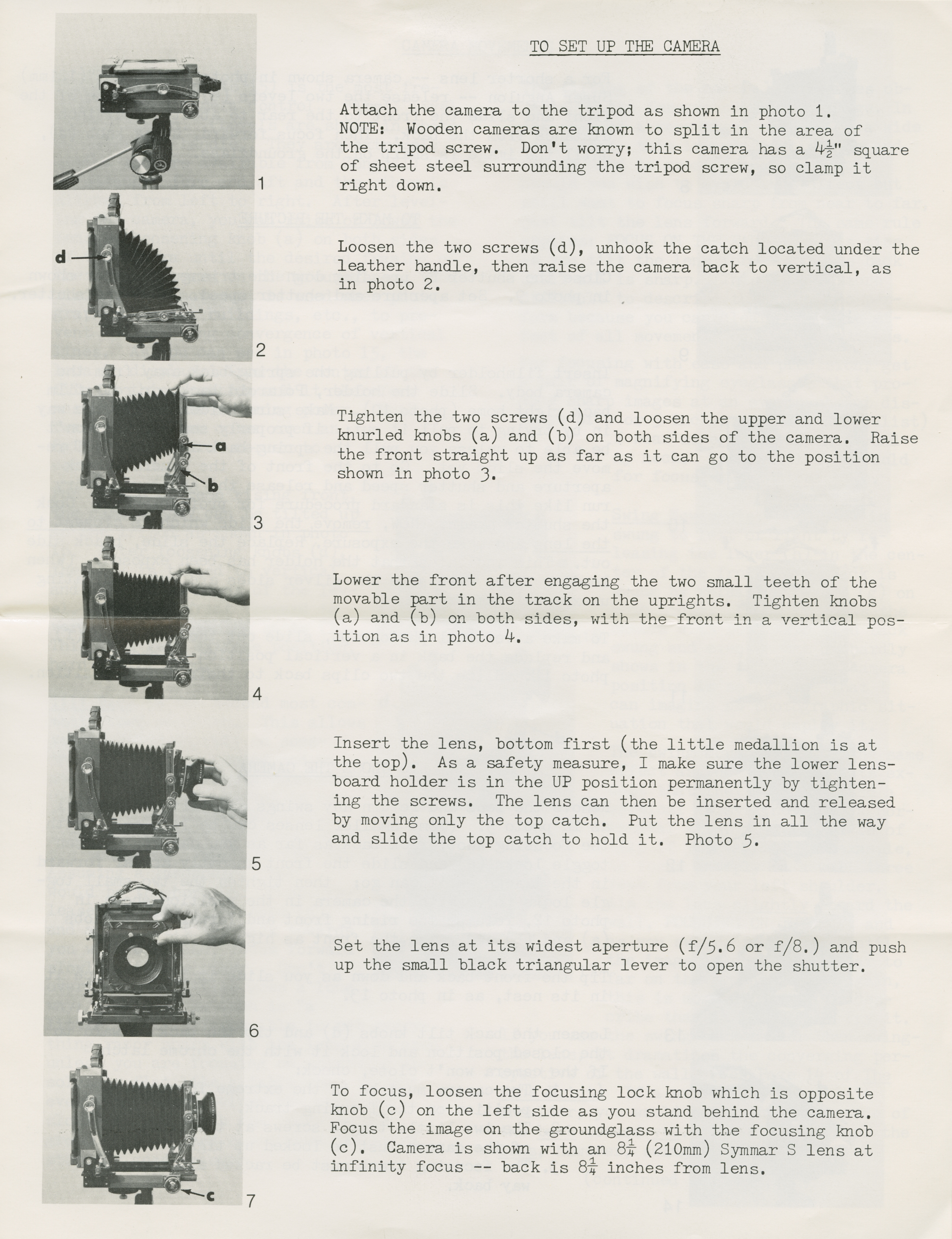
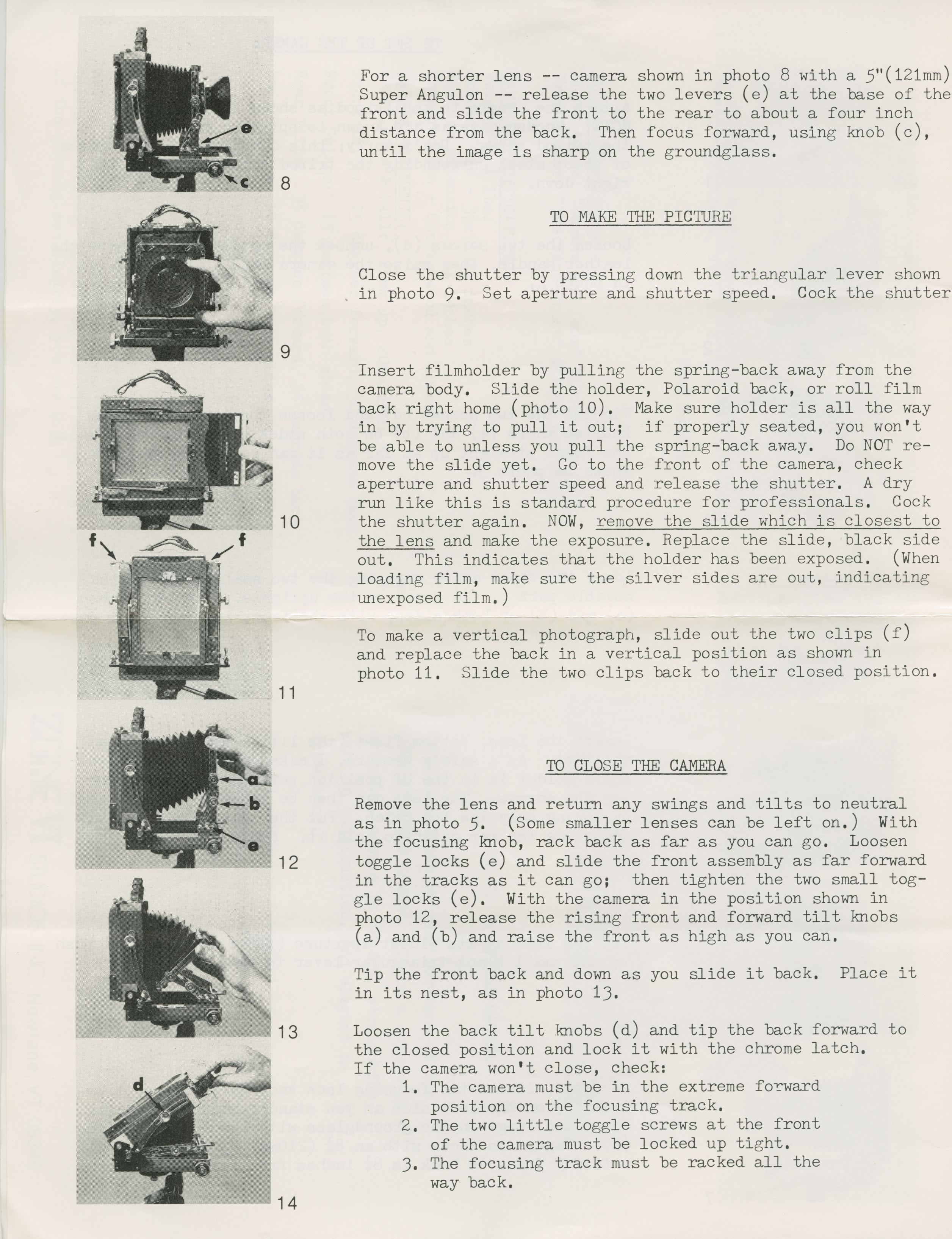
The only complaint I have about the Tachihara 4×5 is folding it up after using it. During the first half dozen times I used the camera, I struggled to close it properly. I kept trying to figure out what I was doing wrong until I realized, much like shooting 4×5 film, I needed to slow down when folding the camera. There’s a reason why the camera comes with a manual for opening and closing. Each step must be followed, or you risk damaging the camera.
After having the camera for three months, I’ve experimented with various films. In addition to 4×5 film, I’ve also shot with J. Lane Glass Plates, Zebra Dry Plates, and some Harman Direct Positive black and white paper. I’ll be sharing some of the images in the coming weeks.
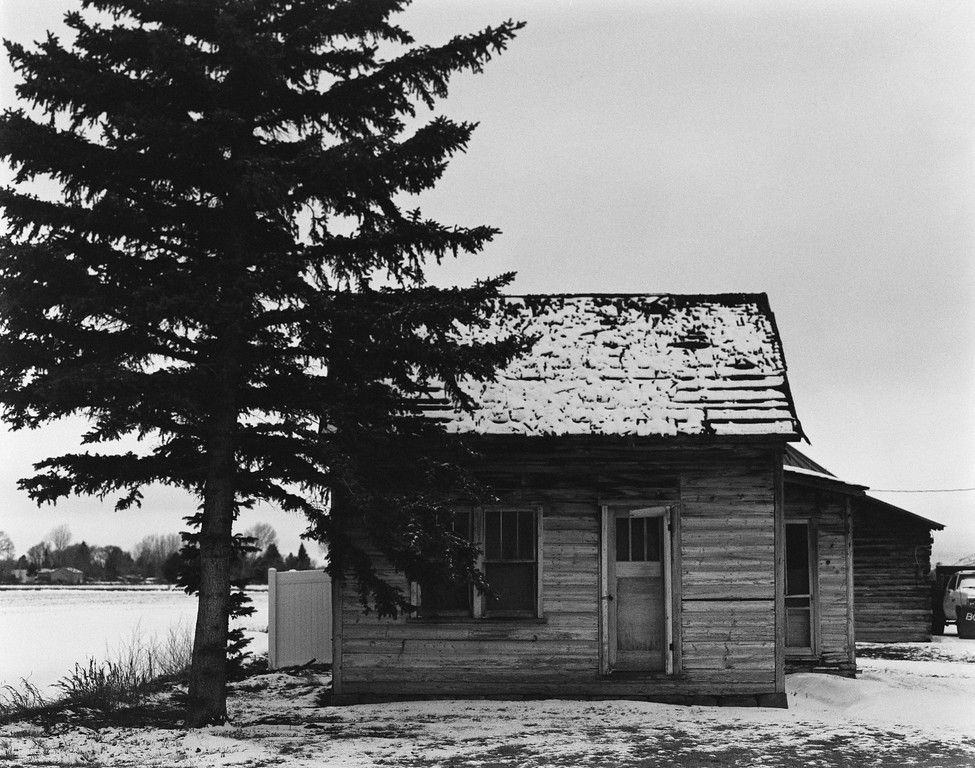
Camera: Tachihara (1978)
Film: Arist EDU Ultra 100
Process: Kodak HC-110 (1+31) 6 Min @ 20°C
Scanned: Epson V700 Photo
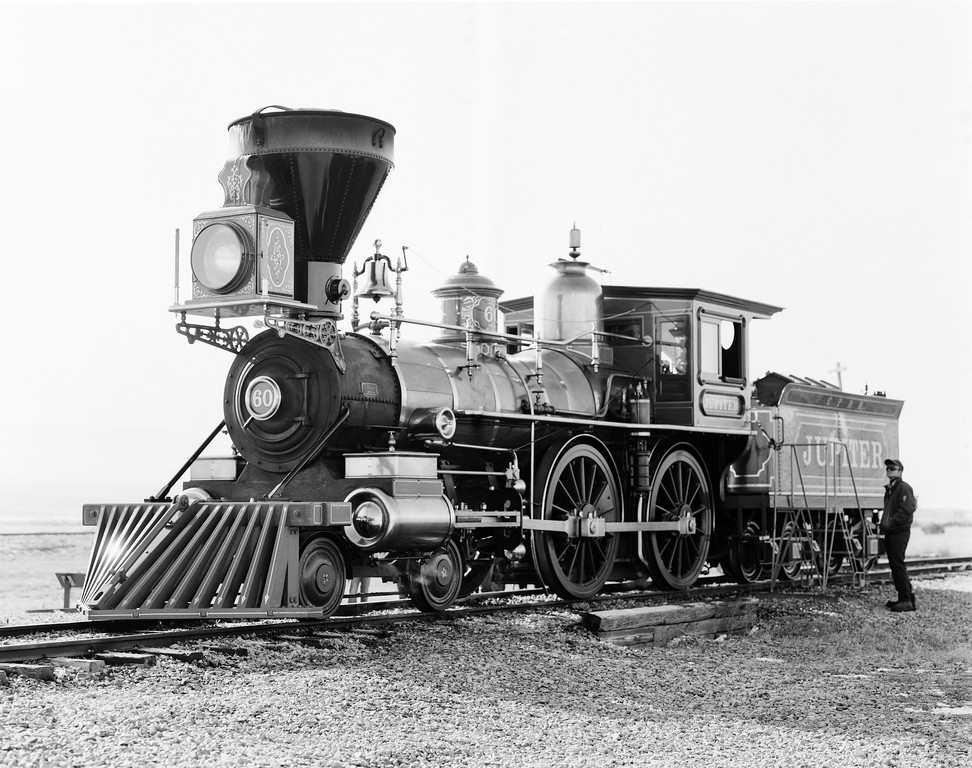
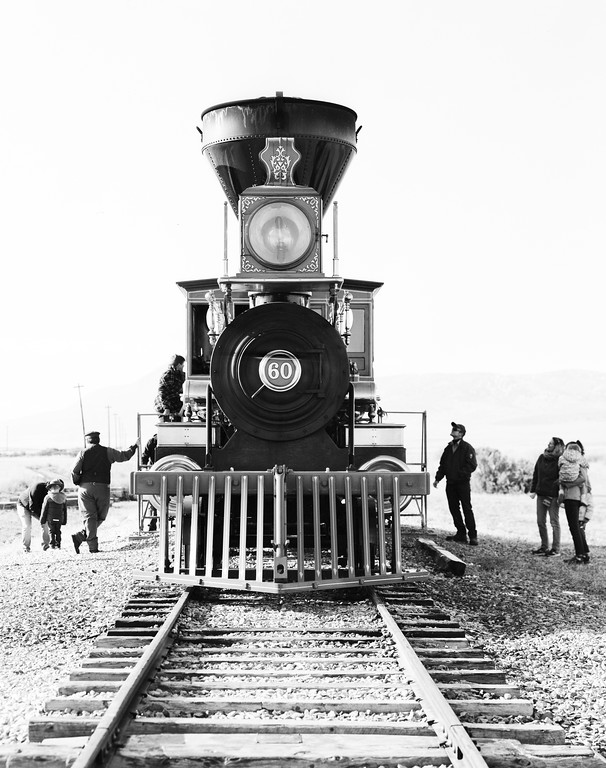
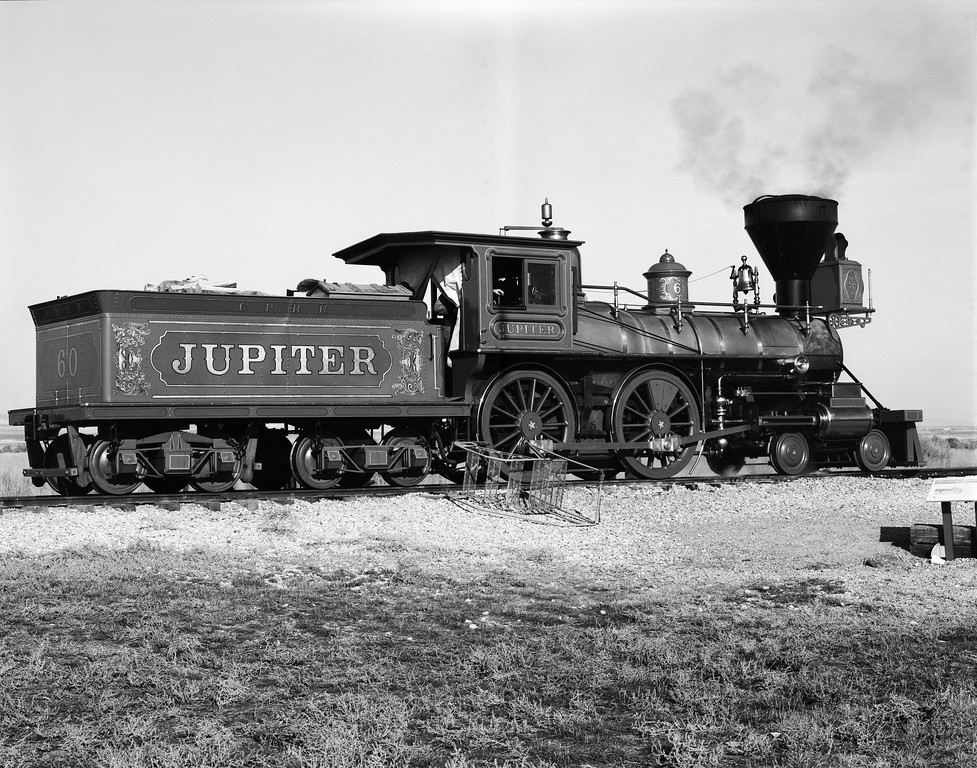
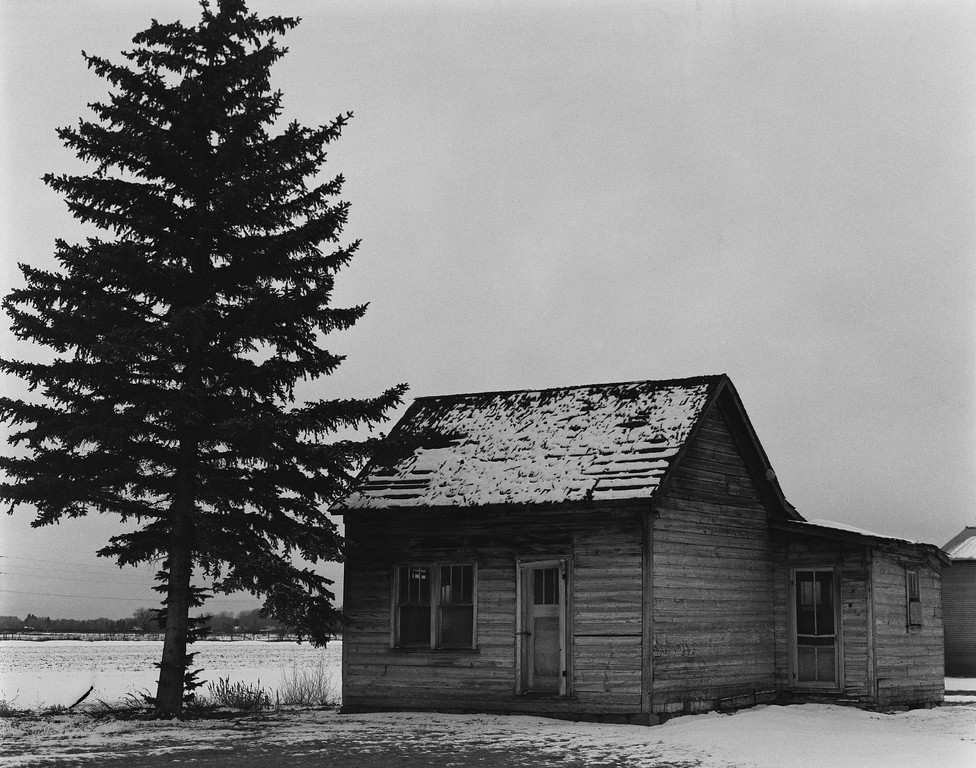
Camera: Tachihara 4×5 Field Camera (1978)
Film: Arista EDU 100 (Expired 3/23)
Process: Process: Kodak HC-110 (1+31) 6 Min @ 20°C
Scanned: Epson V700 Photo
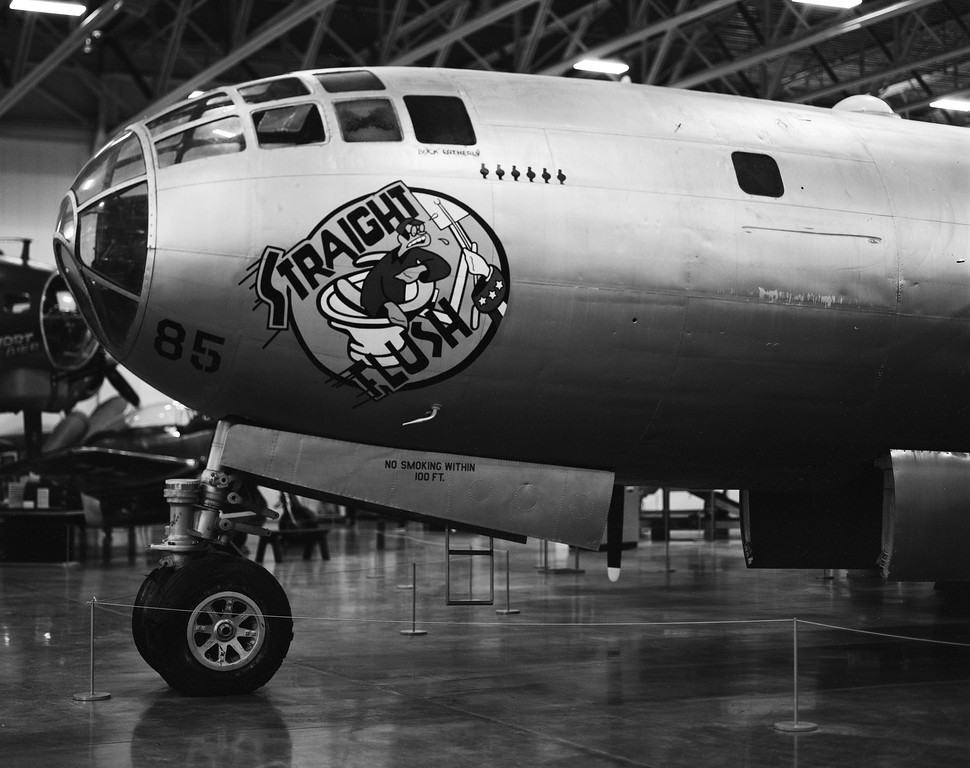
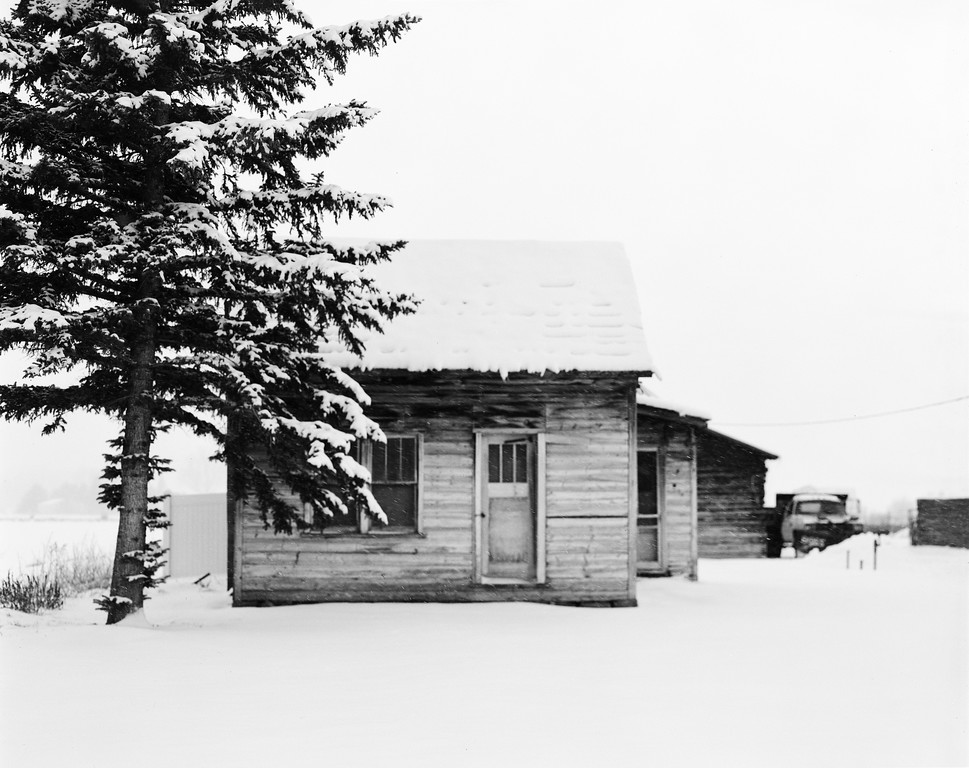
Camera: Tachihara 4×5 Field Camera (1978)
Film: Kodak TMax 400 (Expired)
Process: Process: Kodak HC-110 (1+31) 7:30 Min @ 20°C
Scanned: Epson V700 Photo




 Utah Film Photography
Hi Shaun, Great article! Makes me (almost) wish I still had the Tachihara. Oh, the Symmar lens is a 210, not 200mm. (sorry, just my inner proof reader jumping up! Maurice
>
LikeLike
You’re right! Correction made.
LikeLike
Thanks. I appreciate the article. I wonder if anyone on this blog would be interested in purchasing an almost new 4 x 5 Tachihara — with two lenses — a Nikkor 210 mm f 5.6 and a Schneider Angulon 90 mm f 5.6, plus film holders. Let me know: jimhcoates@gmail.com or 703 244 2684 .
https://share.icloud.com/photos/030_Nh-jZxkHpdU58cYcjJLGA
LikeLike